GENERAL TIPS
FOR WOOD, UPHOLSTERED AND LEATHER FURNITURE

Humidity and room temperature play an important role in the longevity of wood, leather and upholstery. A humidity level of 50-60 per cent and a constant room temperature of 20° C are ideal. These conditions can prevent wood from shrinking and swelling and thus prevent cracking. Fortunately, homes are not laboratories with constant conditions and fluctuations in temperature and humidity. Heating in winter means that the air is often dry and very warm. When a mild breeze blows through the windows in spring, it transports moisture. It is completely normal and natural for natural materials to react to this. So don't just think about your well-being when heating and ventilating - your furniture will also appreciate a balanced indoor climate. Avoid direct sunlight. Unfiltered UV rays discolour and damage wood, lacquers, fabrics and leather over a shorter or longer period of time. It is therefore better not to place the furniture in direct sunlight if your rooms allow this. If your furniture is exposed to sunlight, you can use curtains to protect it - sun protection curtains are the most effective - and draw them during intense hours of sunlight. To avoid shadows and marks caused by intense sunlight, do not leave any objects standing or lying on your new furniture for the first few weeks after moving in. Incidentally, softwoods are particularly sensitive to light. Always place furniture at a sufficient distance from radiators or other sources of heat or cold. Always test all cleaning and polishing agents on an inconspicuous area first
.webp)
Sofa Infinity Creme

THE ADVANTAGES
EASY CLEAN
The properties of the material make it easier to remove stains.
The material has a nanoparticle surface that effectively blocks the penetration of dirt. This means that even stubborn stains can be removed without cleaning agents.
ANIMAL-FRIENDLY MATERIAL

A unique combination of Easy Clean and Pet Friendly properties.
This makes it very easy to remove hair, while at the same time preventing it from penetrating the inside of the material. They also ensure high scratch resistance.
WATER-REPELLENT
The properties of the material make it difficult to absorb spilt liquids.
The material has a special hydrophobic protective coating that prevents liquids from seeping through quickly.

WOOD SURFACE CARE AND TIPS
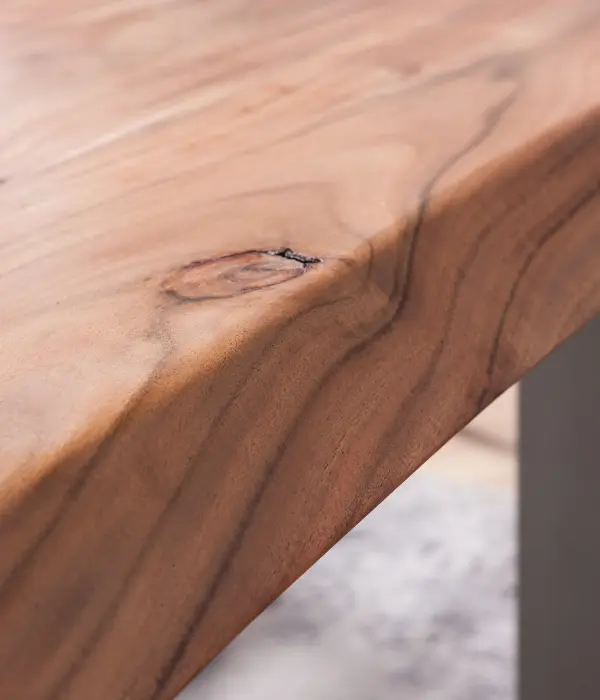
GENERAL CARE OF WOODEN SURFACES
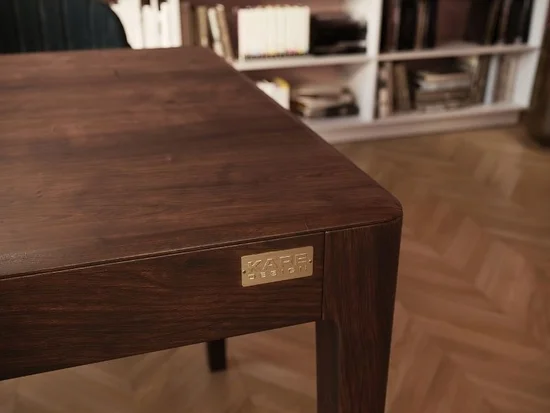
As a natural material, wood lives even after processing and is basically undemanding in terms of care. After all, this natural resource defies wind, sun, rain and temperature fluctuations. In most cases, regular dusting with a clean, soft and lint-free cloth is sufficient. A treatment with furniture polish freshens up the surfaces. The polish acts as a cushion and absorbs the pressure of the cloth. It also prevents the formation of scratches during dusting. Regardless of whether you clean dry or with polish: Change the cloth regularly, as dirty cloths can scratch the surface of your furniture. How to work with furniture polish: Moisten the surface of the furniture evenly, but not too generously, with the polish. Less is more, repeat the procedure if necessary. Always wipe in the direction of the grain. Continue polishing without applying too much pressure until the furniture is completely dry, this will give you a beautiful shine and a dirt-resistant surface. Woods with coarse pores - such as oak and ash - should not be wiped with a damp cloth, as the moisture can allow dust and dirt to penetrate the wood pores.
TRICKS FOR DAMAGE TO WOODEN FURNITURE
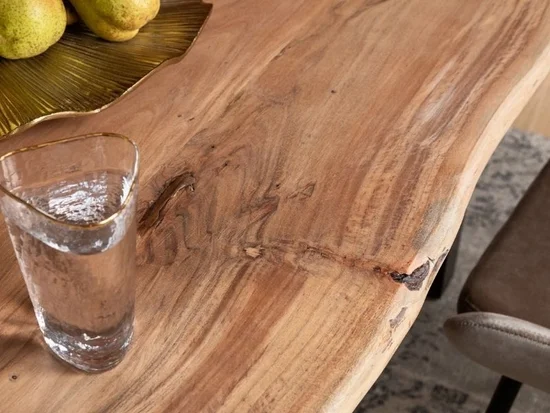
Remove glass edges
Water marks should be wiped away immediately and rubbed dry. Simply treat waxed surfaces with ‘Natural Wood Care Wax’. Permanent grey haze, water or alcohol stains on clear lacquer surfaces can be removed or at least significantly reduced with the product ‘Möbel-Kur’ (Art. 25002).
Scratches, cracks, deep scratches
Scuffs and scratches on polished wood will disappear if you dab the affected areas several times with a mixture of simple clear vinegar (vinegar essence must be diluted according to the manufacturer's instructions) and neutral oil, mixed in a ratio of 1 to 1, and rub repeatedly with a soft woollen cloth. Deep scratches can be filled with furniture wax in the appropriate colour. Depending on the surface, protect with varnish or glaze (e.g. ‘Möbel-Kur’ (Art. No.: 25002).
Pressure marks and dents
Dents are not a disaster: Simply sand the dents with sandpaper, soak them in water and steam them out with a damp cloth and an iron. The cloth must be sufficiently damp and the iron must not come into direct contact with the wood. Seal again once completely dry.

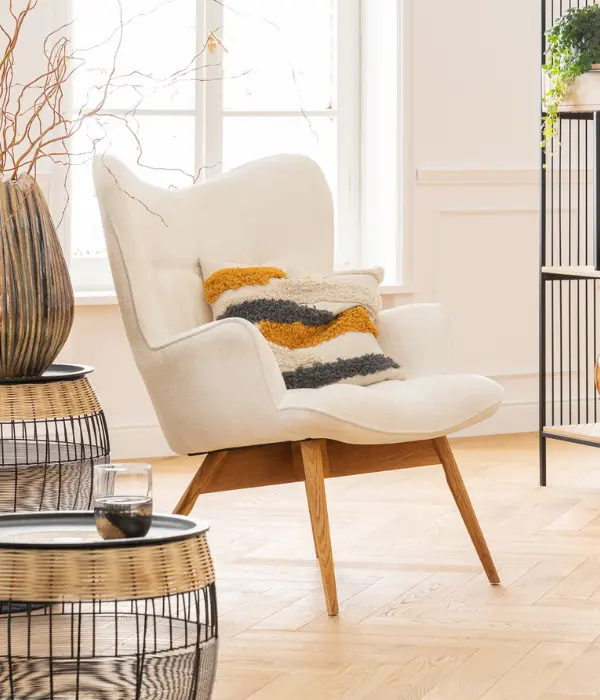
UPHOLSTERED FURNITURE CARE AND TIPS
CARE OF UPHOLSTERED FURNITURE
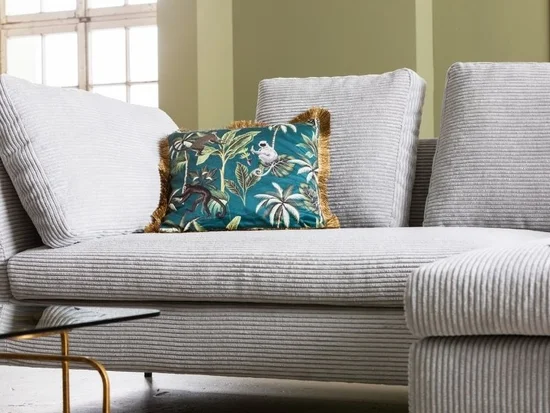
Upholstered furniture does not like dust. It initially settles invisibly in the textile surfaces and can lead to a grey haze over time. The humidity in the air binds the fine suspended particles and sticks them to the fabric fibres. The best precaution is to vacuum the upholstery regularly with the hoover's upholstery brush - preferably every fortnight. Set a low wattage on the hoover to clean the fabric gently. In general, you should always follow the care instructions on the respective textile labelling. No matter what mishap has occurred on the upholstered furniture, first try to soak up any liquids with kitchen paper or soft cloths and dab off without applying any pressure. Never use solvents, as they can destroy fibres and colours. In the case of contact stains such as food residues, it is generally advisable to clean the cover with a mild detergent or soap solution.
Microfibre fabrics
Microfibre fabrics are easy to clean. Basically, all stains can be cleaned with water and a little soap. It is best to use distilled water, as this will not leave any limescale marks. If the fabric appears flattened on the cleaned area, use a clothes brush and brush the dried area back on.
Flat woven fabrics
(Smooth upholstery fabrics as opposed to velour textiles or chenille fabrics) At KARE you will find a large selection of covers for many types of upholstered furniture. There are no standardised care tips for the wide variety of fabric types. The only exception is vacuuming, which is good for all textiles. Therefore, please only use cleaning agents that are suitable for the selected upholstery fabric. Our staff will be happy to advise you on this. Professional cleaning companies can also provide good tips.
Remove stains from textile upholstery with upholstery cleaning foam
Apply upholstery cleaning foam to the stain. Once the foam has been absorbed for 10 minutes, you can easily brush it out. It is then advisable to clean the entire couch in one go in this way so that no water stains or similar remain. Spray the entire fabric upholstery, leave to work for 5 minutes (10 minutes if very dirty) and then brush out with a soft clothes brush. Make sure you only brush in one direction so that your upholstery looks uniform after cleaning. Dab off any remaining upholstery foam with a kitchen towel.
Stubborn stains in textile upholstery
For particularly stubborn stains, cleaning foam is usually not sufficient as a stain remover. Get soda ash from the chemist. Put on rubber gloves and apply the soda to a damp sponge or cloth. Follow the application tips on the packaging. Soda also cleans older and soiled upholstered furniture, but bleaches slightly, so you should always test the trick on a concealed area. To ensure that the cleaned area does not appear lighter in colour, we recommend treating the entire piece of upholstered furniture.
SPECIAL CARE
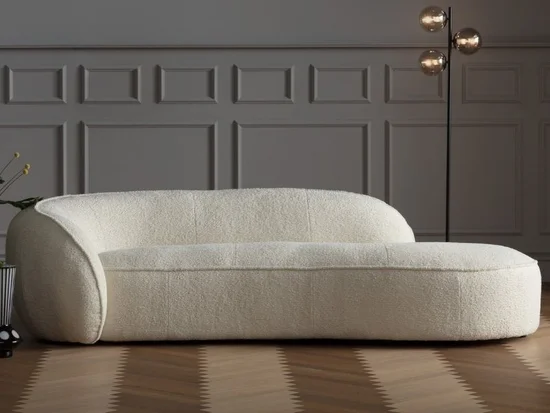
Special care for wool-cotton-linen-silk
Vacuum and occasionally treat with upholstery shampoo or foamed mild detergent. Always use distilled water for cleaning. Silk should only be dry-cleaned, as water stains can easily form!
Velour fabrics
To begin with, you should remove coarse dirt and dust with a brush or hoover. Then test the colour fastness of the upholstery cover and the compatibility of the cleaning agent on a concealed area. If the agent leaves no visible traces, you can start the treatment. Use a clean, white cloth that is as soft as possible. Soak it with the stain remover and rub gently until the stain is no longer visible.
• Dab off damp stains with an absorbent cloth or paper
• Never apply cleaning agents directly to the cover
• Rub off cleaning agent residues with a damp cloth
• Last treatment always in the direction of the stroke
• After cleaning, dry the area as quickly as possible (possibly with a hairdryer)
• Stubborn stains can be removed after drying with a cloth treated with
Dabbed with a white cloth moistened with white spirit.
Pressure marks on velour fabrics
Under certain circumstances, the influence of pressure, moisture and heat, as well as the underpadding and cover used, can cause a more or less visible change in the pile layer (‘wear lustre’). Depending on exposure to light, these wear patches may appear to be stains, especially in the case of velour. Pile layer changes are a typical characteristic of the product and do not represent a reduction in quality. Experience has shown that they cannot always be eliminated by care measures.
SPECIAL TIPS FOR UPHOLSTERED FURNITURE
Treatment of water-soluble stains such as blood and egg
Only treat blood and egg with cold water. As egg white coagulates, hot water would only cause more damage. If the water method does not have the desired effect, you can treat the stained area with a solution of water and shampoo. A citric acid solution helps with dried blood stains. Use one level tablespoon of lemon juice per 100 ml of cold water. Moisten a white cloth with this solution. Work the stain from the edge to the centre without applying too much pressure.
Treatment of water-insoluble stains such as grease, paint, varnish or shoe polish
Grease, paint, varnish or shoe polish can only be successfully treated with commercially available solvents such as white spirit or spirits. Unfortunately, solvents can attack the fabric, so please test on a concealed area. If in doubt, ask in our shops.
Wax stains
If candle wax has dripped onto the piece of furniture, it should first cool completely. Crumble the cooled wax blob and try to carefully lift off the pieces. If necessary, you can treat the wax stain several times with white spirit. (Check compatibility with the surface beforehand!). Ironing out with plenty of blotting paper has proved effective. To do this, switch off the steam function of the iron. Repeat the ironing process until there are no more grease stains on the blotting paper.
Damp patches
Immediately apply salt or talcum powder to fresh stains and leave to soak in so that the moisture is absorbed. Brush off well at a later stage. Water stains can be removed by moistening a brush with clear vinegar and brushing the stains with it. Afterwards, use a damp household cloth and rub.
Biros stains
Simply spray the stain with hairspray, leave to dry and wipe away. There will be no trace of biros left on the upholstered furniture. If the stain has not completely disappeared after the first application, simply repeat the process. It often takes several passes to completely clean upholstered furniture.
Remove animal hair
To remove traces of your four-legged friend's fur, sweep over your upholstered furniture with a rubber brush.
Odour binding
To absorb unpleasant odours (e.g. in drawers or cupboards), fill a bowl with coffee powder and place it in the desired location. The coffee powder neutralises the odour. Lemon slices placed in water or a bowl of warm milk can also be used.
Simple stain removal from microfibre fabrics
The following technique can be used to remove stains from microfibre fabrics: first soak the stain briefly with a mixture of soapy water and water using a sponge. Please do not rub too hard so as not to enlarge the stain. Then simply skim off the dirty water, including the stain, by pulling a spoon towards a towel with light pressure.
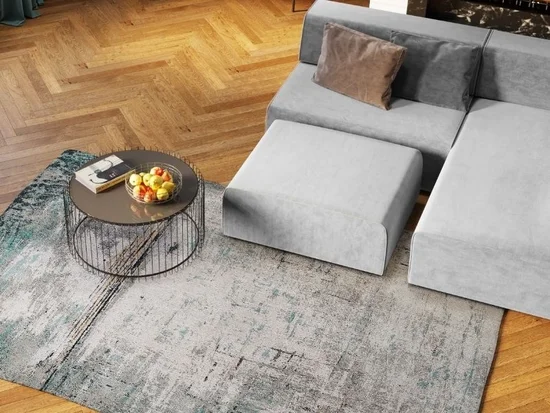
Pressure marks in the carpet
The feet and edges of furniture leave pressure marks on many carpets. It's so easy to get rid of them: Take some ice cubes out of the freezer and place them on the pressure marks. The moisture that gradually escapes from the ice cube will gradually straighten the carpet pile. Hot steam will also straighten the carpet pile. This works best with a steam cleaner, but an iron will also do the job. Place a towel or kitchen towel on the pressure point and iron over the carpet with a steam iron at a low temperature. The moisture will penetrate the carpet again and the pile will straighten. This trick works particularly well with carpets made from natural materials such as wool.
LEATHER FURNITURE CARE AND TIPS
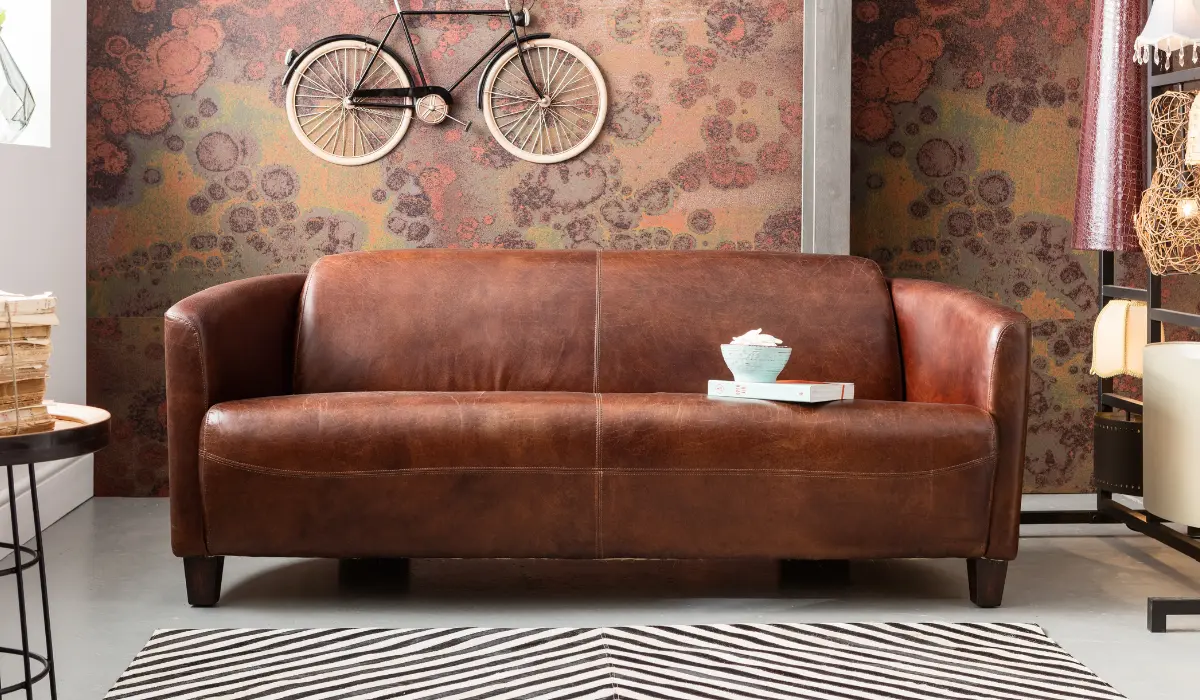
GENERAL TIPS FOR THE CARE OF LEATHER FURNITURE
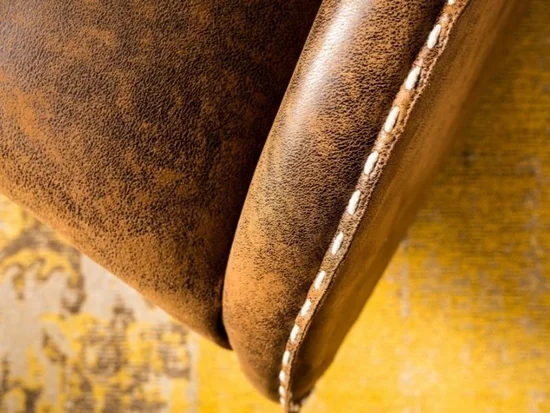
Always test the cleaning agent on a concealed area first.
Never apply cleaning agents directly to the stain, but use a separate soft, white, clean cloth or a soft sponge.
Avoid using unsuitable products such as solvents, shoe polish, turpentine, etc.
Protect your furniture from direct sunlight.
Wipe leather furniture once a week with a dust cloth or vacuum with the soft upholstery nozzle of the hoover. Test carefully to ensure that the nozzle does not scratch! This care prevents tiny particles of dirt or dust from penetrating and settling in the leather pores.
Ideally, leather furniture should be treated with suitable care products every 3-6 months, but at least twice a year.
Please observe the following special instructions for the care of special types of leather.
They apply to suede leather such as nappa leather, nubuck or suede and open-pored smooth leather such as aniline leather
CARE OF NAPPA LEATHER
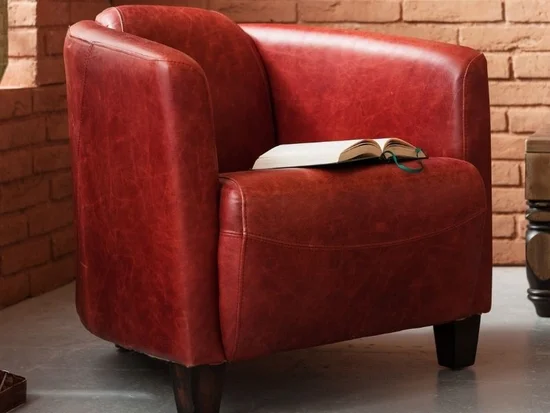
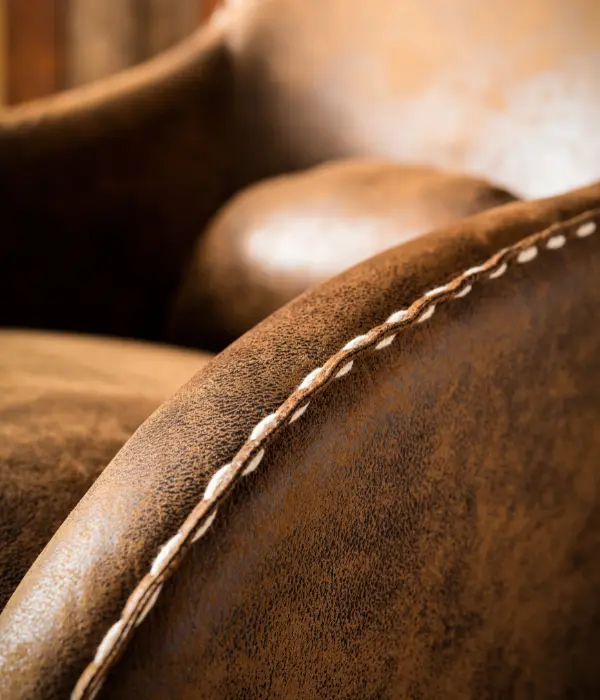
Before and after the winter heating period, the furniture can be wiped with a damp cloth using a leather cleaner or saddle soap. To maintain the suppleness of the leather, rub the surface with leather milk or foam after cleaning. In addition to leather milk, there is also leather care cream, leather grease, leather oil, leather balm and leather sealant. Please do not use stain removers containing solvents on stains. They attack the leather, discolour it and dry out the material.
Hint
Commercially available leather milk is not the only way to refresh the suppleness of leather. A mixture of linseed oil and whipped egg white is well suited to maintaining the elasticity of muted (superficially coloured) nappa leather.
NUBUCK LEATHER CARE

Nubuck leather can be impregnated to protect it from soiling; please use suitable products. If necessary, only clean nubuck leather with a little water and saddle soap. Make sure that you do not wipe your piece of furniture too wet. After cleaning with water and saddle soap, it is advisable to lightly roughen the nubuck leather with a special leather brush for nubuck leather so that the velvety surface is retained. You can find suitable brushes in shoe shops, for example. When cleaning nubuck leather, do not use any kind of cream or polish, as nubuck leather will otherwise lose its velvety surface.
SPECIAL NOTE FOR SUEDE LEATHER
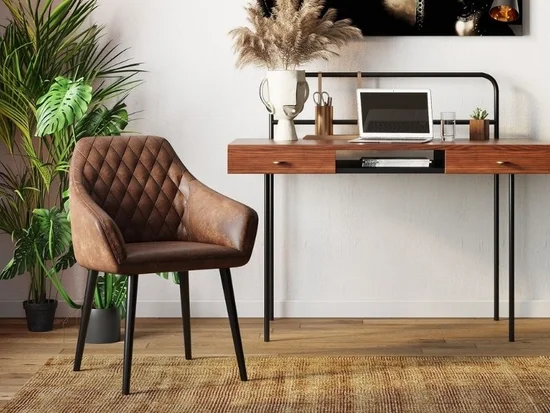
When new, the roughened surface of suede leather releases so-called sanding dust. This is normal and due to the production process. If necessary, you can pick up the sanding dust with a special sponge or cleaning cloth or brush it off with a leather brush. After some time, the fine leather dust particles will disappear.
CARE OF ANILINE LEATHER
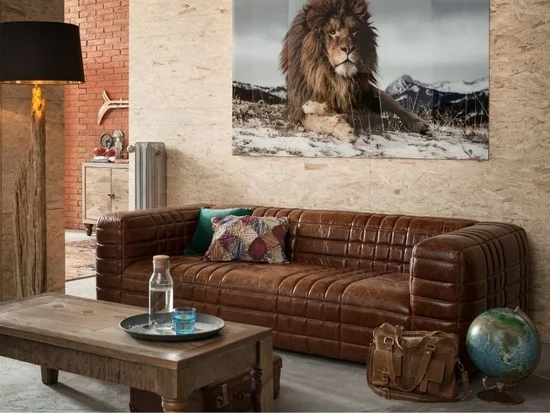
With aniline leather, the general rule is to avoid moisture, as the leather is open-pored. Dab off any stains immediately with a soft, absorbent paper or textile cloth. Then dab the stain in a circular motion with a cloth moistened with distilled water. Do not apply too much pressure, otherwise the stain will be worked deeper and deeper into the material. Then carefully treat the surface again with a dry cloth.

METAL CARE AND TIPS
CARE OF METAL SURFACES
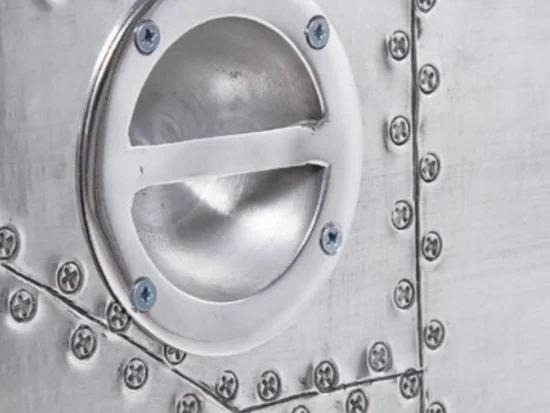
Chrome and nickel-plated surfaces
You can easily remove unwanted oxide deposits (tarnished areas, black discolouration) from silver, brass, bronze, copper and chrome surfaces. Polish your valuable furniture or accessories with the natural, gentle polishing agent silica. This treatment also keeps the metal surface food-safe clean. Polishing also serves as protection against rapid re-tarnishing and discolouration. Shake your metal polish well before use. Apply a sufficient amount of polish to a dry cloth and rub the surface in question. While you allow the surface to dry, a grey powder coating will appear, which can then be polished out with a soft cloth.
Stainless steel surfaces
Fingerprints and other superficial dirt are best removed using a microfibre cloth, which can be slightly moistened if necessary. An ordinary dishcloth also works well. Adding a little fat-dissolving washing-up liquid increases the cleaning effect. After each cleaning, stainless steel surfaces should be thoroughly rubbed dry with a lint-free cloth.
Unsuitable cleaning agents
Many metal surfaces do not tolerate abrasive cleaning agents. Also avoid cleaning agents with a high proportion of disinfectants and bleaching agents on stainless steel. The same applies to cleaning agents containing acids, salt and chloride. These cleaning agents can have a negative effect on the rust resistance of stainless steel.
TIPS FOR METAL SURFACES
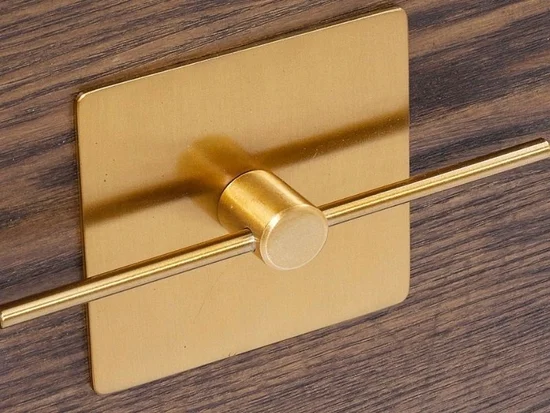
Caution with brushed stainless steel
In the production of so-called ‘brushed stainless steel’, the surface is ground down to create a matt appearance. To maintain this special surface structure, brushed stainless steel must not be wiped across the polished surface.
Prevent renewed soiling
Special products for stainless steel care create a microscopically thin protective layer over the stainless steel surface and form a protective film that remains intact even with normal cleaning. The layer largely prevents new fingerprints and other soiling from appearing on the stainless steel.

GLASS CARE AND TIPS
CARE OF GLASS SURFACES
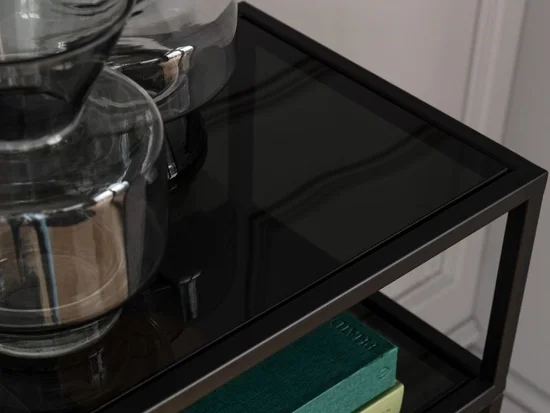
Wipe glass surfaces with water and, if necessary, a little washing-up liquid and a soft cloth or chamois leather. Glass surfaces can also be cleaned very well with a glass cleaner. Simply spray this onto the surface and wipe with a soft cloth or kitchen paper. Glass can also be scratched, so it is better not to place sharp-edged or rough objects directly on the glass or to cover decorative objects with felt at the bottom.