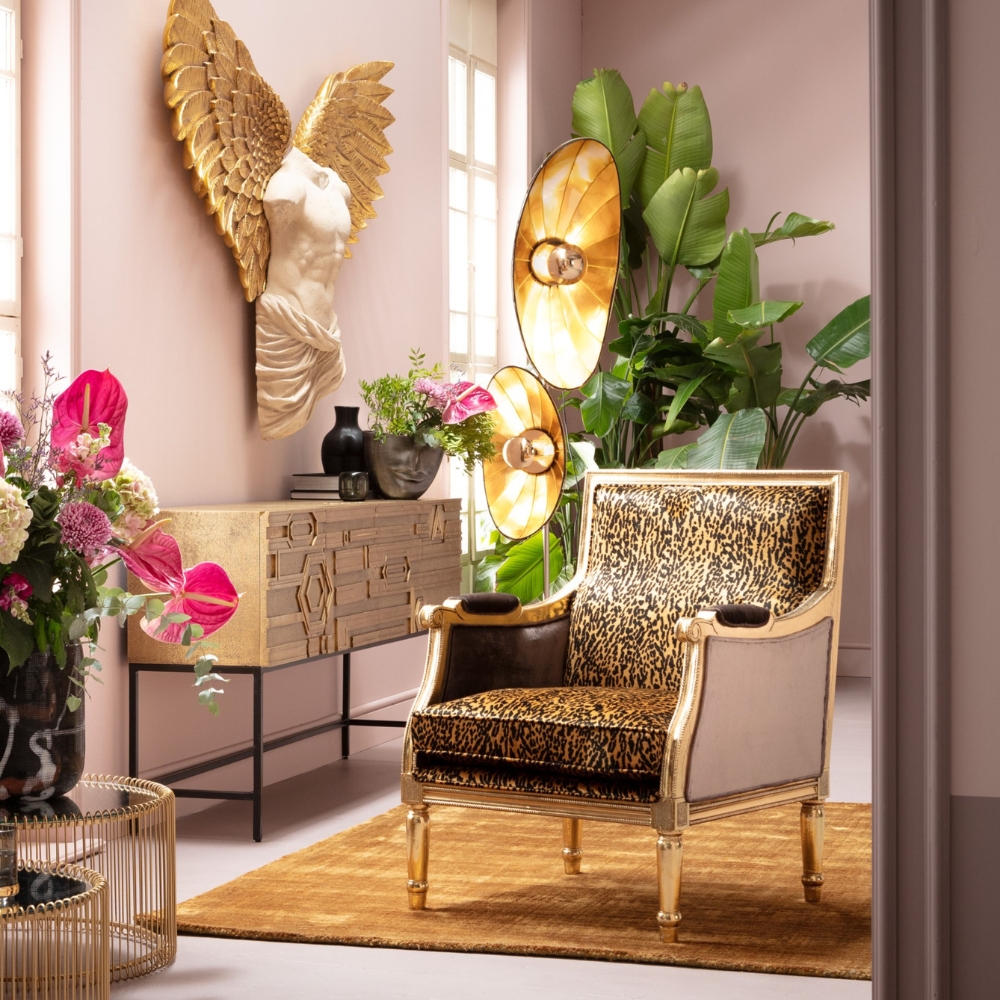
POMPADOUR GLAM FOR YOUR HOME
Give your room a royal and at the same time fresh and glamorous ambience. The stylish mix of historic luxury and modern accents is characterized by deep, saturated colors and materials such as velvet, silk and brocade.


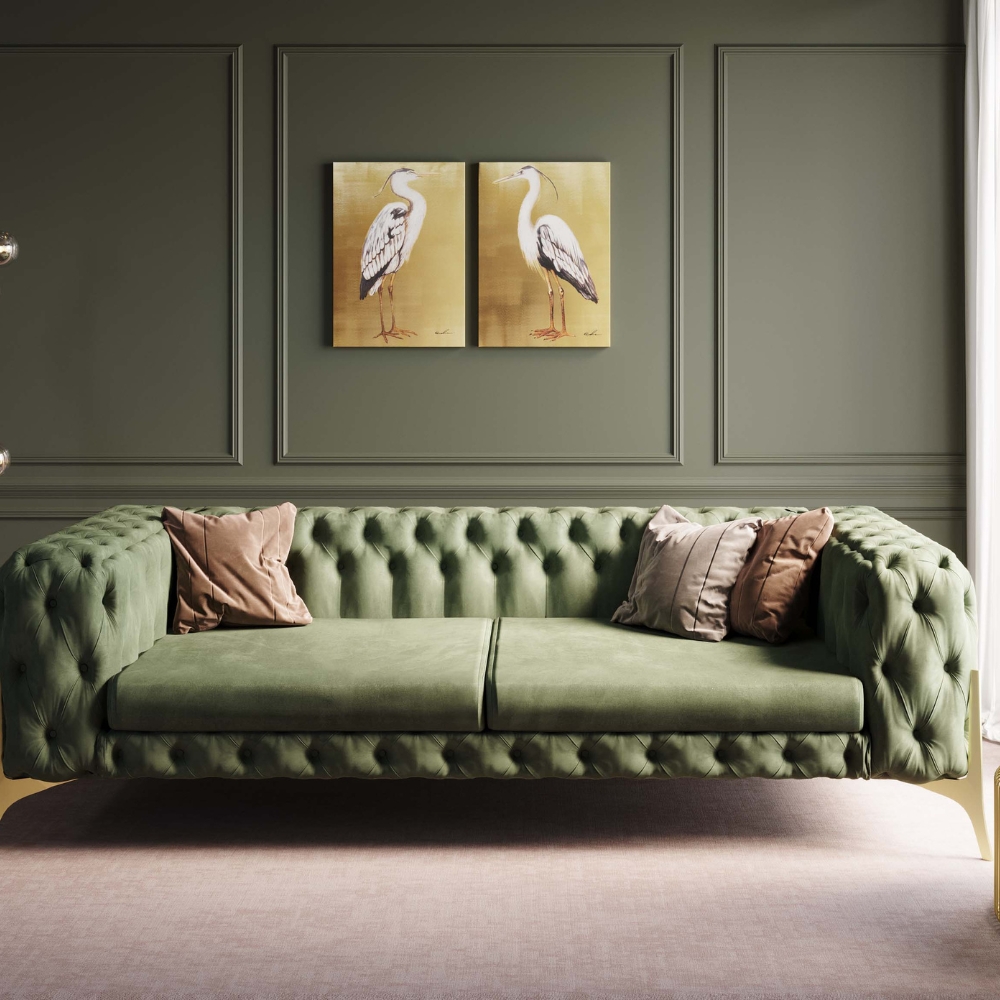
PLAYFUL BAROQUE AND ROCOCO INFLUENCES
Opt for furniture and accessories with curved shapes and elegant details that evoke the splendor of the 18th century. Typical pieces of furniture include large upholstered sofas and armchairs with extravagant prints. These can be ideally combined with colorfully designed pillows or elaborately decorated table statues or mirrors.


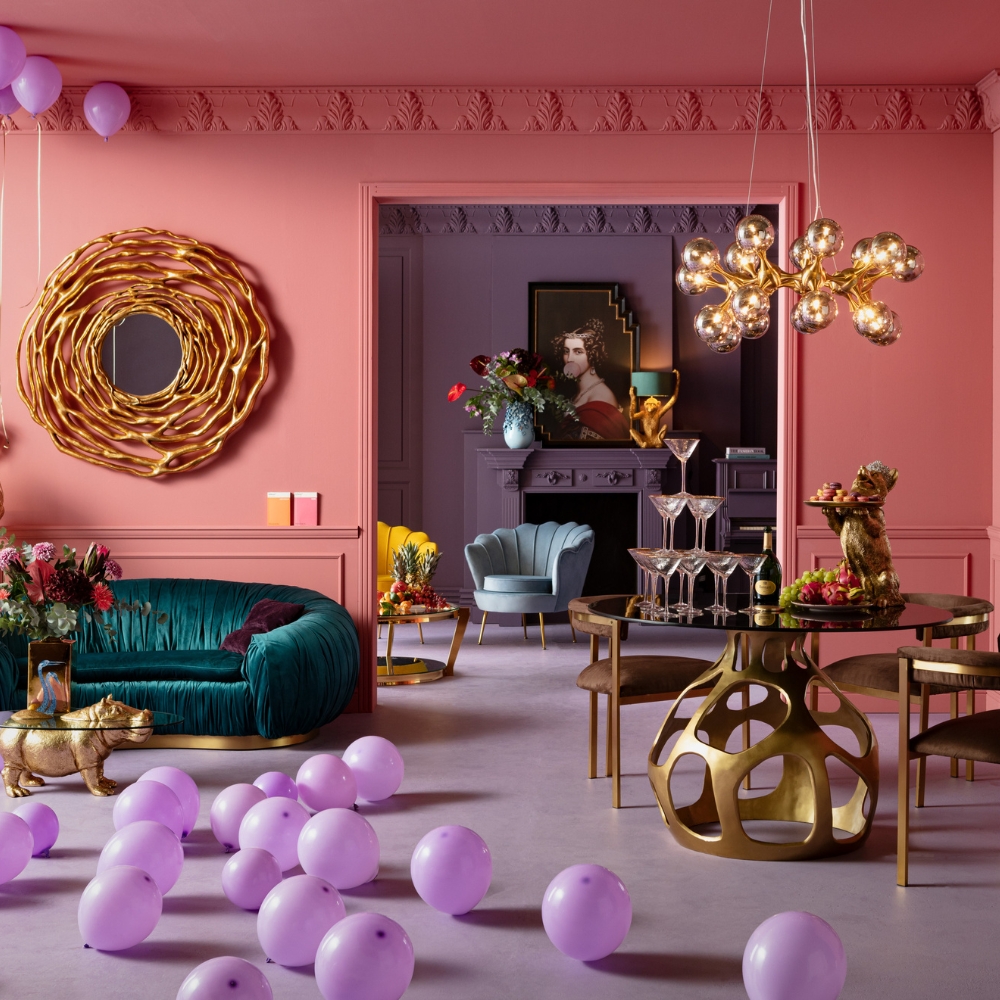
ATMOSPHERIC INTERIOR COMBINED WITH GLAMOROUS, DIFFUSED LIGHT
Elaborately decorated floor and table lamps and well-placed mirror elements give your room a stylish and luxurious ambience.


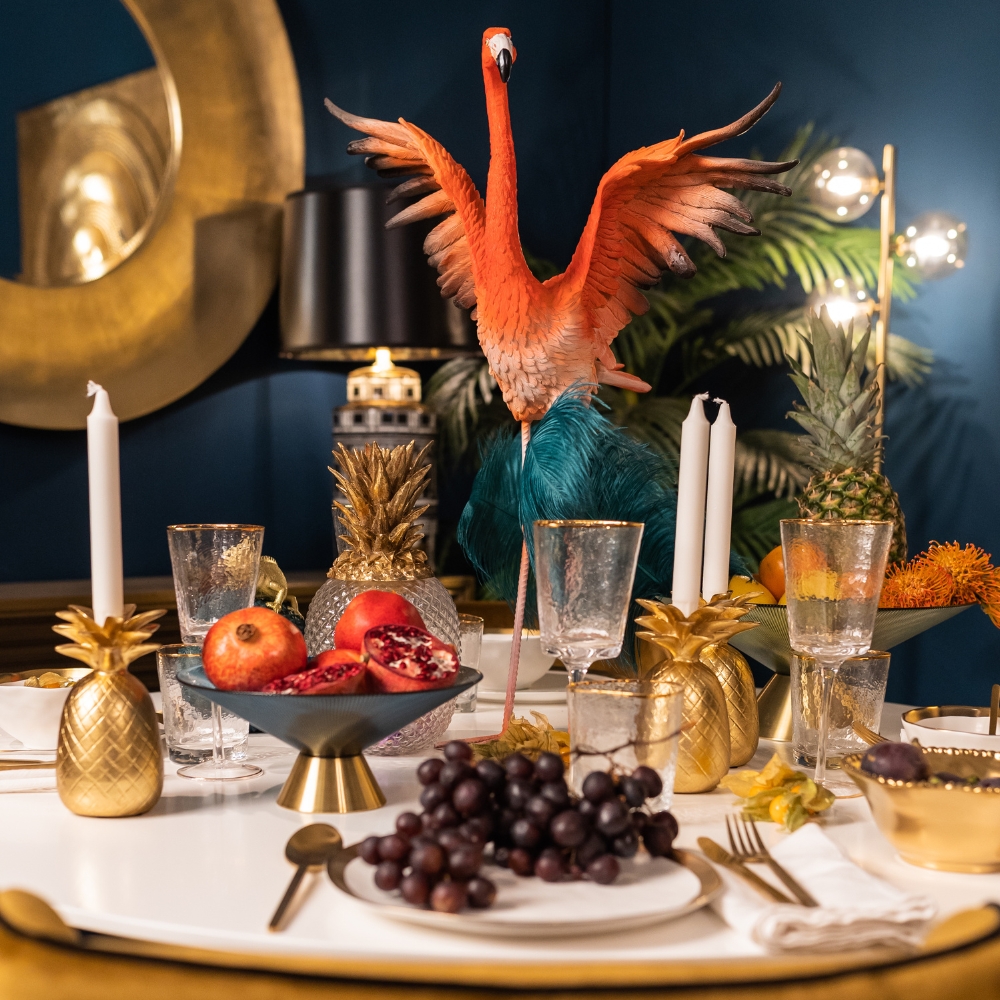
SHINY WINE GLASSES AND CUTLERY SETS COMPLETE THE AMBIENCE
Opt for eye-catching wine glasses and elegant dinner sets with a touch of glitz and glamour to make not only the drinks, but also the serving a highlight in your newly designed favorite room. Contemporary details such as shiny metal accents in gold or brass provide the decisive contrast.


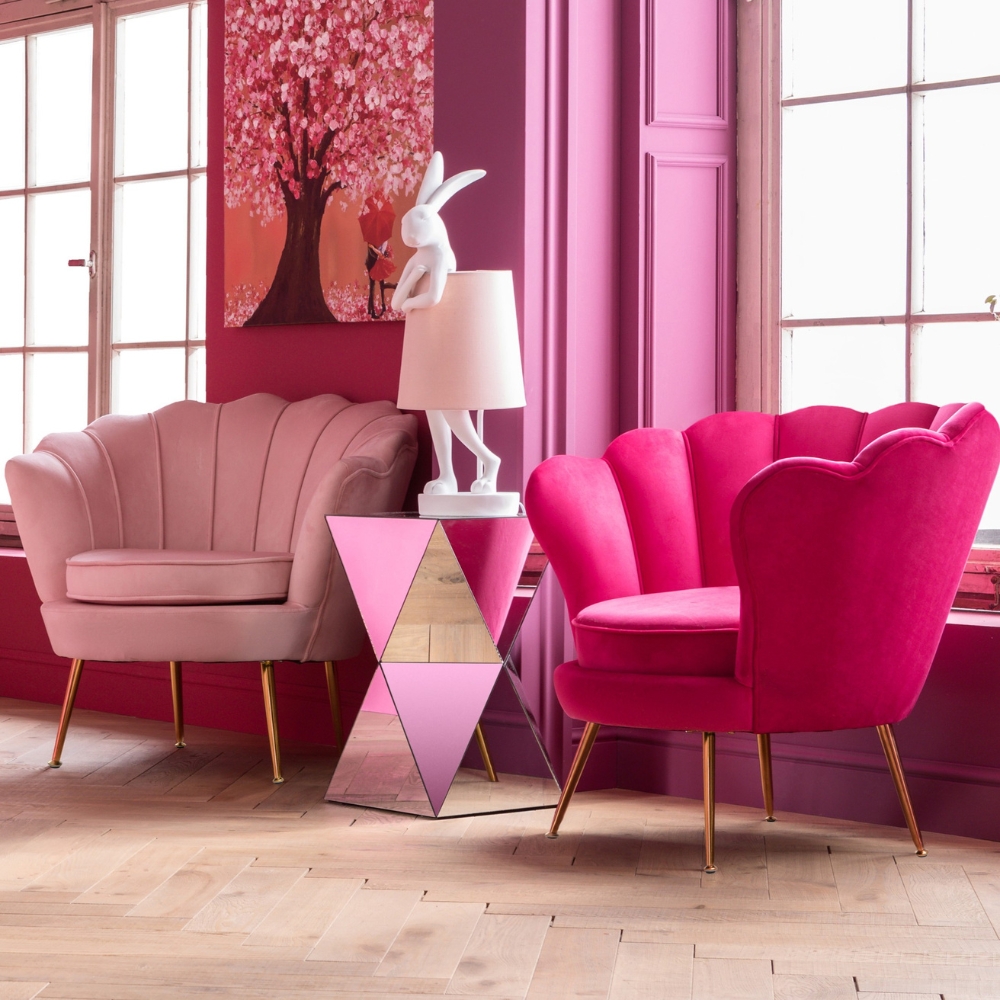
GLAMOROUS FURNITURE AND ELEGANT HIGHLIGHTS, COMPLEMENTED BY MODERN ACCENTS
Matching accessories and personal touches can help to balance out an ostentatious furniture ensemble. In this way, small highlights can be added again and again so that the fun of the glamorous ambience lasts as long as possible.


POMPADOUR GLAM - ROCOCO OR BAROQUE STYLE FURNITURE
WHAT ARE THE CHARACTERISTICS OF ROCOCO FURNITURE?
Flowing, curving forms: Rococo furniture is known for its soft, curving lines. Pieces are often asymmetrical, with gentle arches and curved legs creating a dynamic, almost “in motion” appearance.
Intricate decorations: ornaments such as curved leaves, tendrils, floral patterns and shell shapes adorn the furniture. These decorations are often carved into the wood and finished with fine details, making the furniture almost look like works of art.
Light, delicate design: Compared to the heavy baroque style, rococo furniture tends to be more delicate. It is often kept in lighter colors, with pastel shades such as pink, blue and green, creating a light and airy atmosphere.
Use of fine materials: High-quality woods such as cherry, oak or mahogany were used, often in combination with lacquering and gilding, to make the furniture look particularly luxurious.
Upholstery and fabrics: Rococo seats and sofas are often covered with richly decorated fabrics, including silk, brocade or damask. The upholstery is soft, giving the furniture a welcoming and comfortable touch.
Invitation to delicacy: Rococo-style furniture is often smaller and more delicate, making it particularly suitable for salons and smaller rooms. This contrasts with the more massive furniture of the Baroque period.
Function and beauty: Rococo focuses on decorative artistry and richness of detail, but it also embraces functionality. Furniture such as dressers, tables and chairs combine comfort with luxurious design.
In summary, Rococo furniture is the epitome of elegance, lightness and artistry, with fine details and curved shapes that create a playful yet luxurious atmosphere. They fit well into rooms that seek an elegant, classic look.
FURNITURE IN THE BAROQUE STYLE - WHAT ARE THEIR KEY CHARACTERISTICS?
Magnificent design: Baroque furniture is characterized by large, impressive dimensions and elaborate details. They are often massive and have a strong presence in the room.
Richly ornamented surfaces: Baroque-style furniture is often decorated with intricate carvings depicting floral patterns, acanthus leaves, cherubs, lion heads or other symbolic motifs. These decorations are often deeply carved to enhance the opulent effect.
Curved lines and symmetry: In the Baroque style, a great deal of emphasis is placed on curved shapes. Furniture often has strong, bold curves and rounded corners. Symmetry is another defining feature, with evenly balanced decorations on both sides of furniture such as tables, chairs or cabinets.
Opulent materials: Baroque furniture is often made of fine, heavy woods such as mahogany, oak or walnut and is often decorated with gilded elements or inlays of ivory, metal or marble. The furniture radiates luxury and prosperity.
Dark, rich colors: During the Baroque period, dark colors such as deep brown, gold, black and red were often preferred, emphasizing the ostentatious character of the furniture. These colors create an impressive, almost majestic atmosphere.
Complex upholstery: Upholstery, especially on chairs and sofas, is opulent and elaborate. It is often covered with luxurious fabrics such as velvet, brocade or damask, and features intricate patterns or embroidery that highlights the overall design.
A display of power and wealth: Baroque furniture was often made for royalty and the nobility, so it was designed to demonstrate power and wealth. Furniture such as thrones, large tables and dressers have a majestic appearance that reflects the social status of the owner.
In summary, baroque furniture is characterized by a luxurious, dramatic design with ornate carvings, curved lines and fine materials. They are solid, detailed and exude an imposing presence, making them perfect for magnificent, large rooms and historical settings.
WHAT EXACTLY IS THE DIFFERENCE BETWEEN THE ROKOKO STYLE AND THE BAROQUE STYLE WHEN IT COMES TO FURNITURE AND INTERIOR DESIGN?
1. Design language
Baroque: The Baroque style is characterized by opulent, dramatic and symmetrical forms. Baroque furniture is often massive and has strong, curved lines that create a strong, monumental presence. They are often straight, with striking, curved elements that dominate the room.
Rococo: The Rococo style, on the other hand, is much lighter and more playful. Rococo furniture is also curved, but the shapes are more delicate and often asymmetrical. Soft, flowing lines dominate, creating a gentle, elegant atmosphere. Rococo is much less massive and rather delicate compared to Baroque.
2. Ornamentation and decoration
Baroque: Baroque furniture is richly decorated with deeply carved ornaments such as acanthus leaves, angel motifs and strong, plastic elements. These decorations are intended to demonstrate power and wealth and are often very ostentatious and over the top.
Rococo: Rococo ornamentation is also elaborate, but less ostentatious. Instead of deeply carved, massive ornaments, filigree decorations are often found in the form of tendrils, flowers and shell motifs. The decoration is more playful and less massive, giving Rococo a lighter, more elegant look.
3. Colors and materials
Baroque: The color palette in the Baroque period is rather dark and noble, with tones such as deep gold, mahogany and strong red. Baroque furniture is often made of dark woods, with gold accents or inlays of ivory and metal.
Rococo: Rococo is dominated by light, pastel colors such as pink, blue, yellow and green. Pieces of furniture are often made of lighter woods such as cherry or walnut and can be finished with gilding or lacquering in soft tones. This gives the furniture a lighter, friendlier effect.
4. Function and purpose
Baroque: Baroque furniture was often designed for representative rooms in palaces and churches. It is majestic, massive and intended to demonstrate the wealth and power of the owner. The furniture is often designed to dominate the room and create an imposing atmosphere.
Rococo: The Rococo style is more intimate and was often designed for smaller, less ostentatious rooms such as salons or private chambers. Here, the focus is on comfort and creating a pleasant, inviting atmosphere. Rococo-style furniture is therefore often somewhat lighter and more functional.
5. Presentation and social significance
Baroque: The Baroque period was a symbol of power, wealth and prestige. The furniture reflects these values, as it was often designed for aristocrats and the royal court, embodying their social status.
Rococo: The Rococo style emerged during a period of cultural change and increasing bourgeois development. Rococo-style furniture is therefore less characterized by ostentatious power and more geared towards comfort and joie de vivre. It creates an atmosphere of elegance and sophistication, but without the dramatic claim of the Baroque.
Conclusion:
Baroque furniture is large, powerful, richly decorated and symbolizes power and wealth.
Rococo furniture, on the other hand, is lighter, more playful, more elegant and shows a more relaxed, intimate form of luxury.
While the baroque style impresses with its monumentality and dramatic opulence, the rococo style relies on delicate elegance, playful forms and a lighter, friendlier aura.
WHERE DOES THE POMPADOUR GLAM FURNITURE TREND COME FROM?
Origin and influence
Madame de Pompadour was not only an important political advisor, but also a patron of art and design. She helped to bring the Rococo style into fashion, which was characterized by delicate ornaments, elegant shapes and delicate yet luxurious materials. Her own taste and influence on French courtly fashion led to the Pompadour Glam trend later becoming synonymous with a blend of opulence, sophistication and sensuality.
Characteristics of the Pompadour Glam furniture style
The Pompadour Glam furniture style draws on these historical characteristics, but in a modern and often more dramatic way. Typical features include:
Use of luxurious materials: velvet, silk, brocade, gilded elements and fine woods such as mahogany.
Intricate carvings and decorations: ornaments in the form of floral tendrils, shell motifs and playful details reminiscent of the Rococo style.
Elegant, curved lines: furniture with gentle, curved shapes and accentuated curves that give the room a sensual and feminine touch.
Pastel colors and noble tones: light, delicate colors such as pink, lavender, mint green or cream, paired with golden accents, create a luxurious yet not overwhelming atmosphere.
Conclusion
The Pompadour Glam furniture trend comes from the Rococo era and was inspired by the woman who contributed significantly to the popularization of the style. It is a modern interpretation of this historical trend that refines rooms with a focus on luxury, elegance and femininity, bringing an atmosphere of glamorous, historical charm into the present day.