MID-CENTURY MODERN LIVING STYLE: TIMELESS DESIGN FOR YOUR HOME
The Mid-Century Modern living style, inspired by the 40s to 60s, embodies timeless elegance through clean lines and organic shapes. For your home, this means skillfully combining characteristic features, materials, colors and accessories.
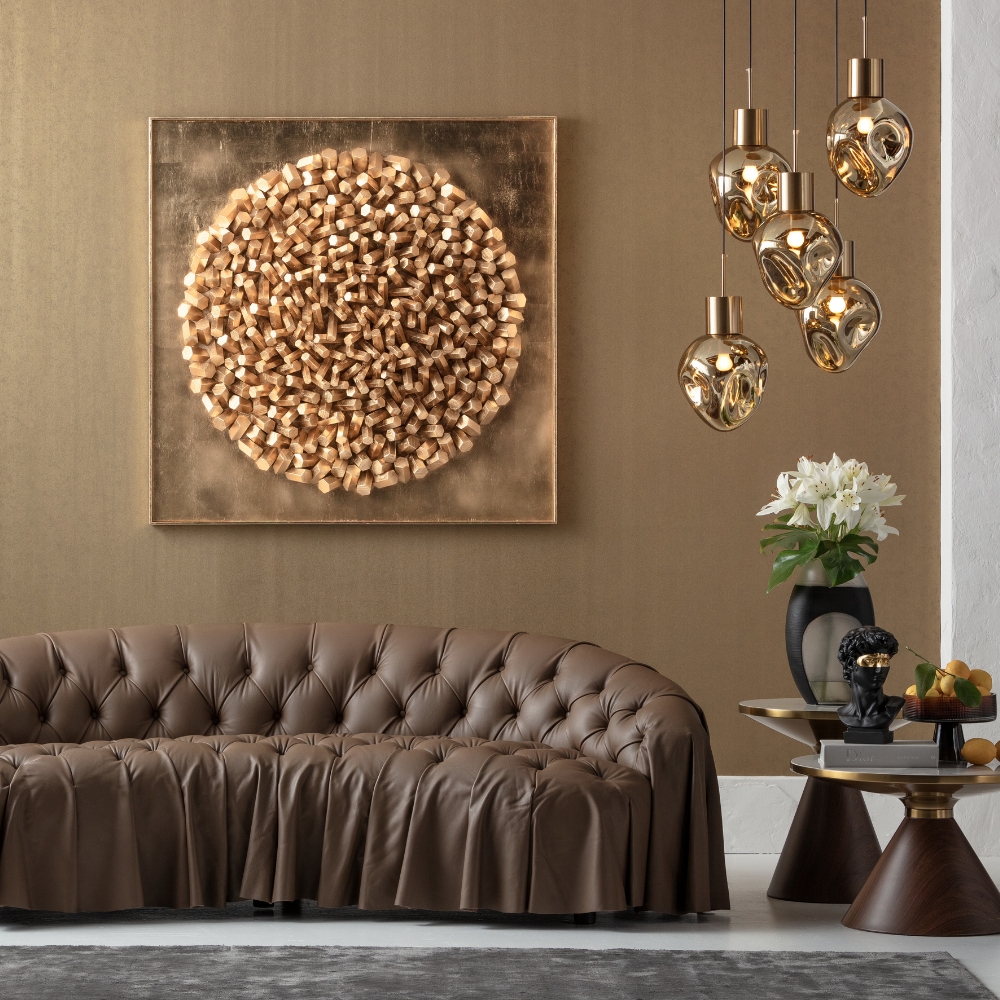


Only 10 available
-18%


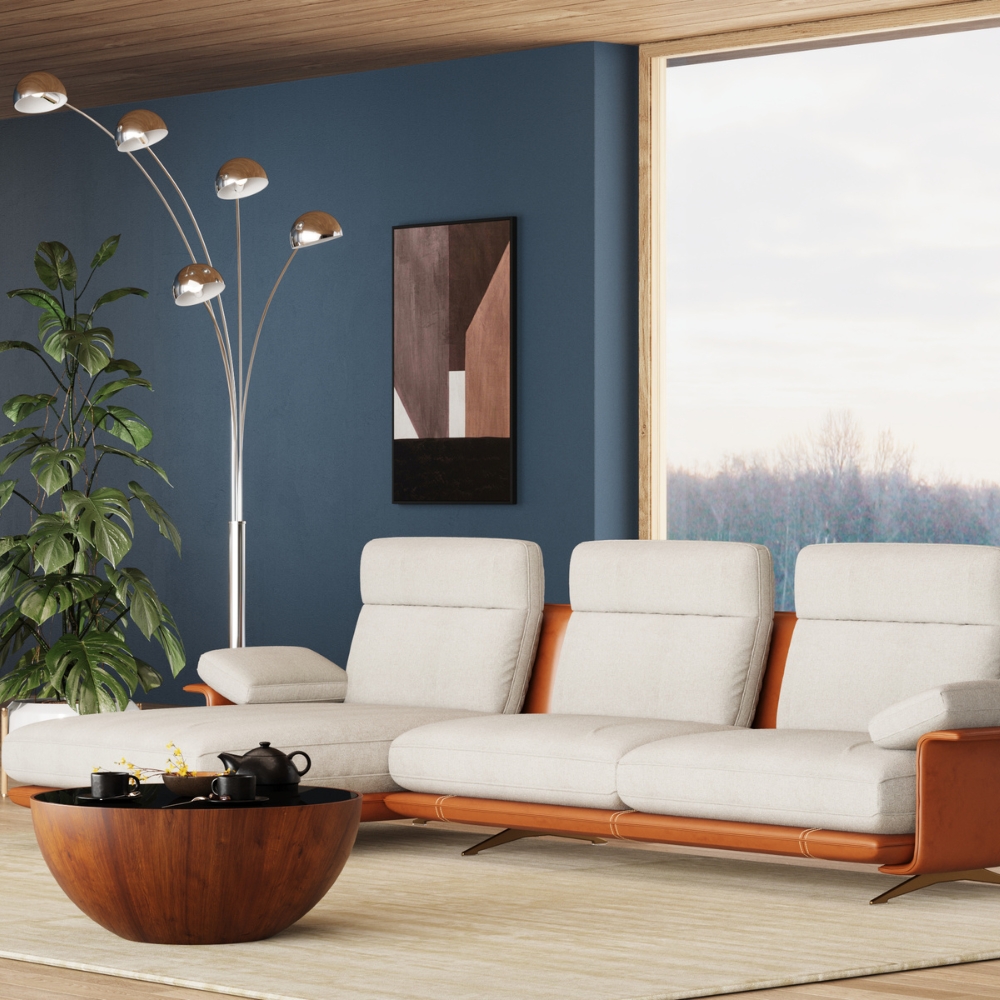
CHARLES STYLE
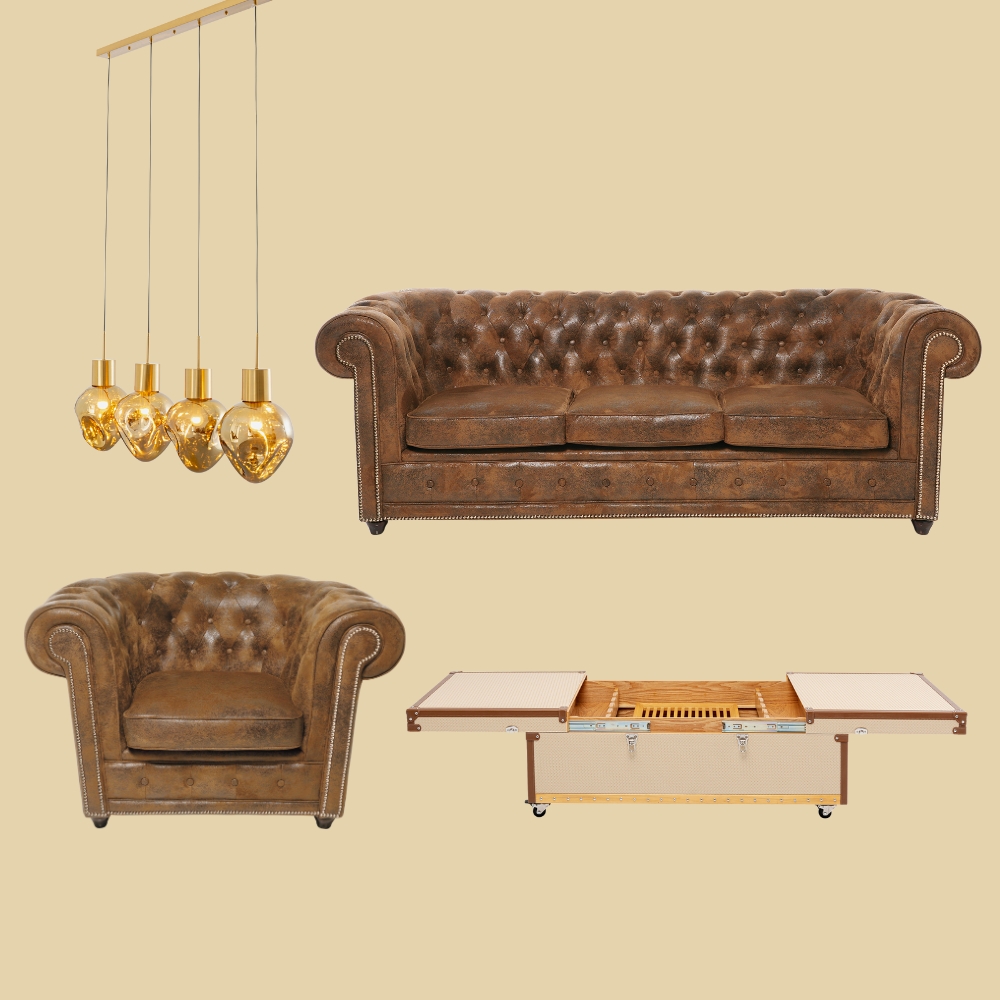
Discover the timeless Charles style, which perfectly combines form and function. These iconic pieces of furniture not only offer exceptional comfort thanks to their ergonomic design, but also make a stylish statement in any room. Made from high-quality materials, their long-lasting quality guarantees enjoyment for many years.


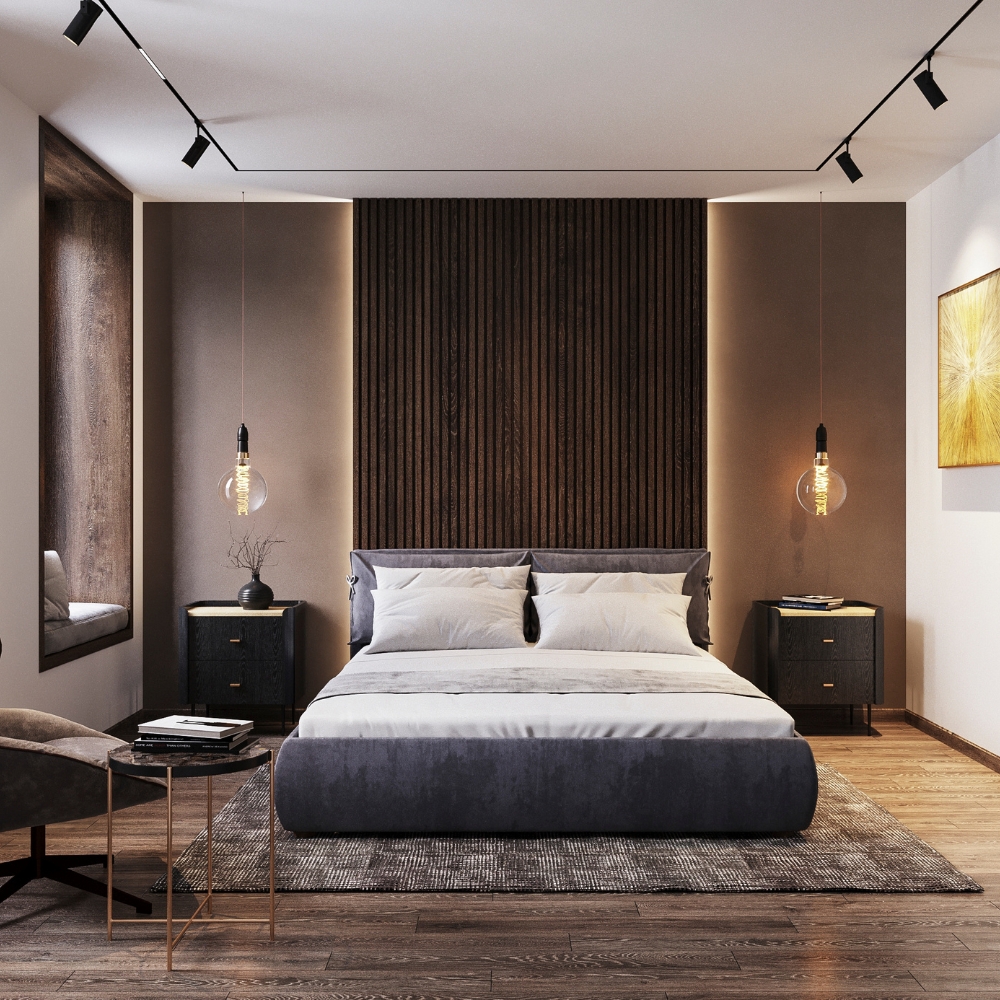


Only 1 available
-18%


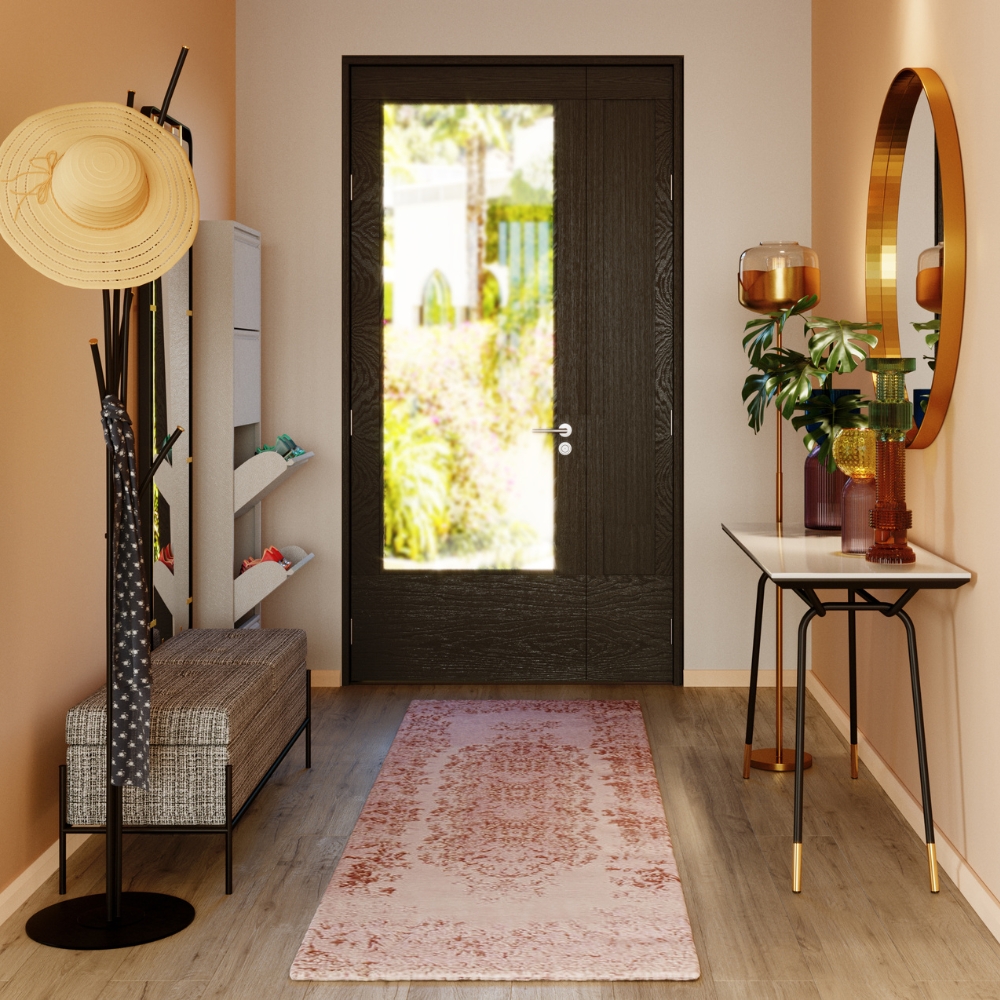
> 99 available
-20%
IN STOCK: 1


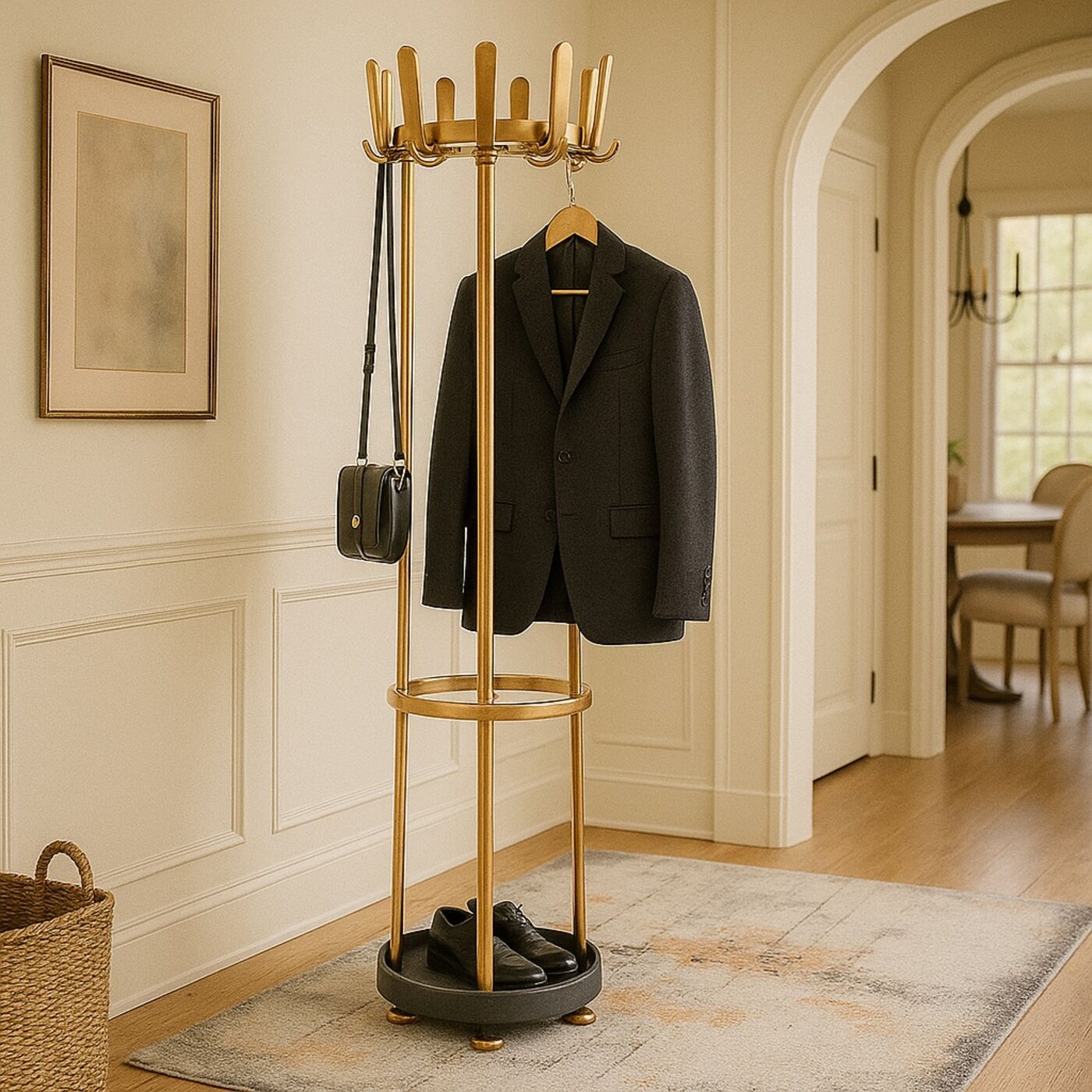


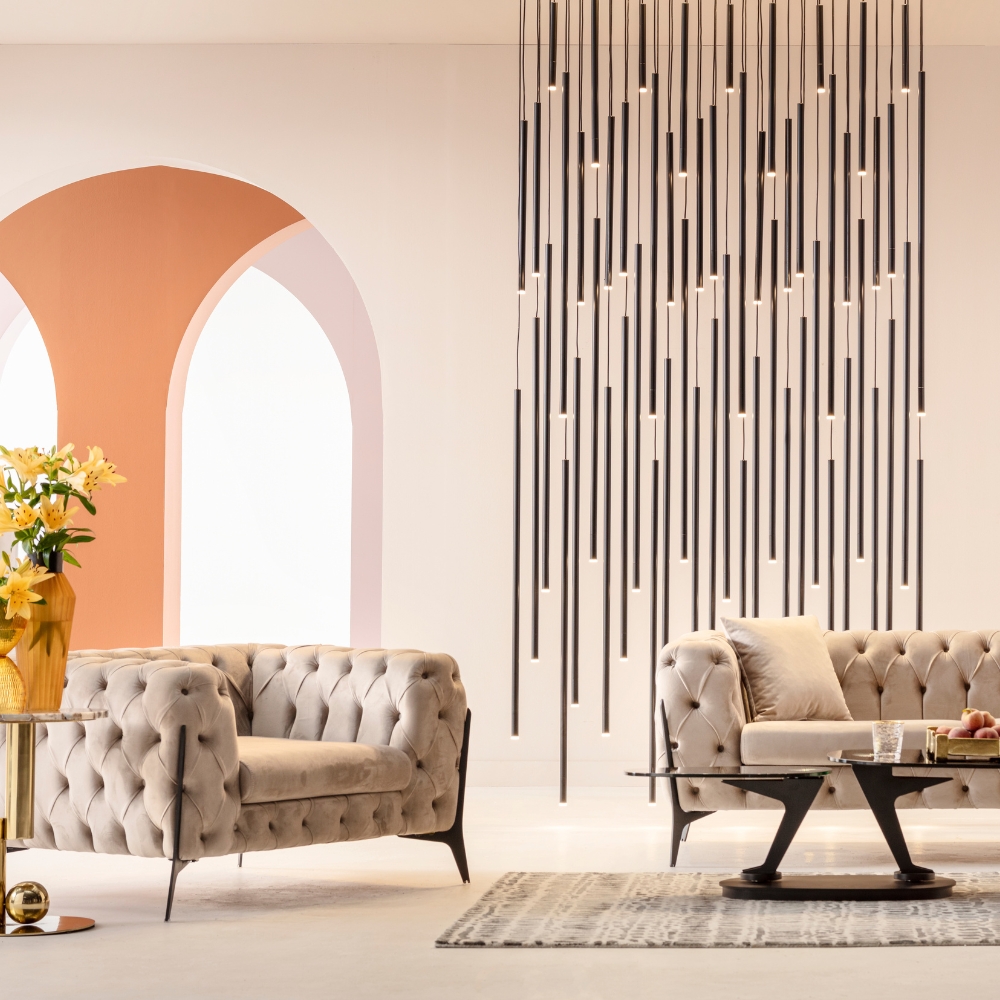
LIGHTS IN THE MID-CENTURY MODERN STYLE
- Functional and sophisticated lights are characteristic of this style: slender, geometric pendant lights, clear lines and organic shapes for wall lamps.
- Ceiling lights made of metal and opal glass provide soft light, while adjustable floor lamps offer flexibility.
- High-quality materials and clear shapes give them a timeless charm.


Only 10 available
-18%


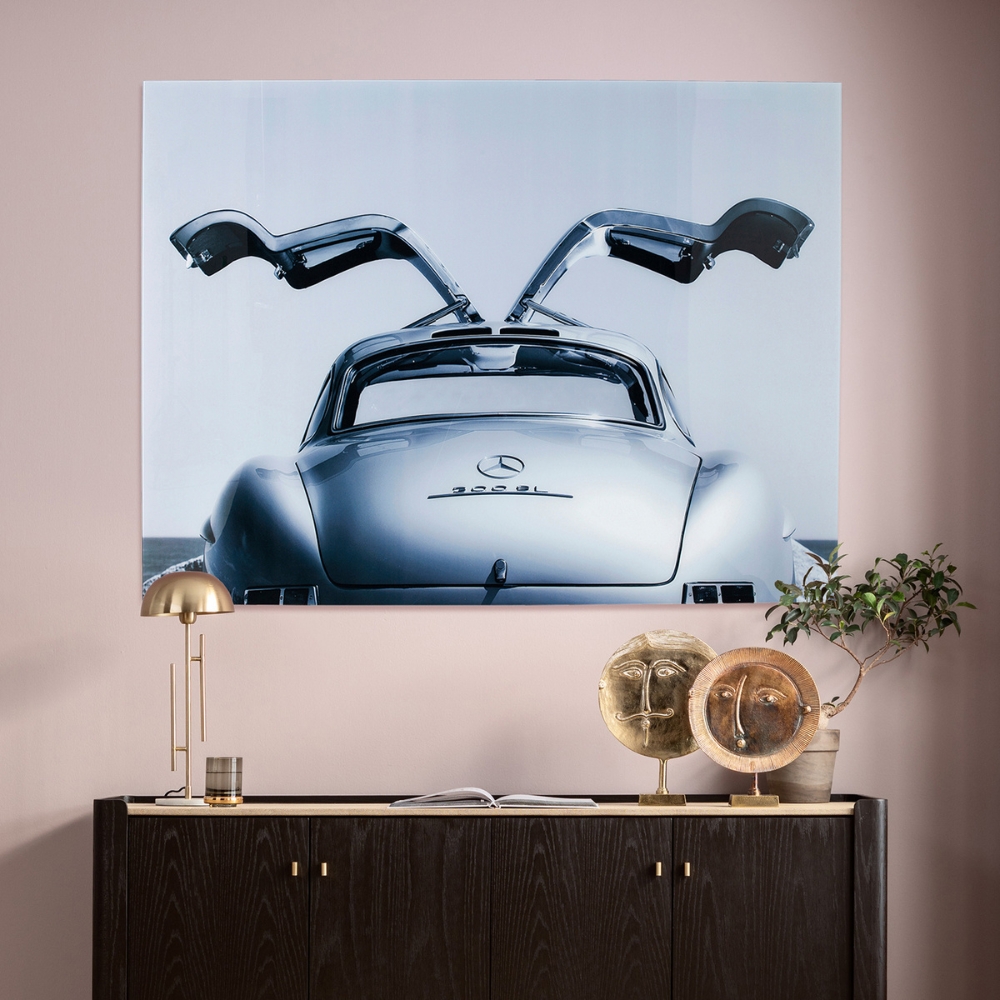
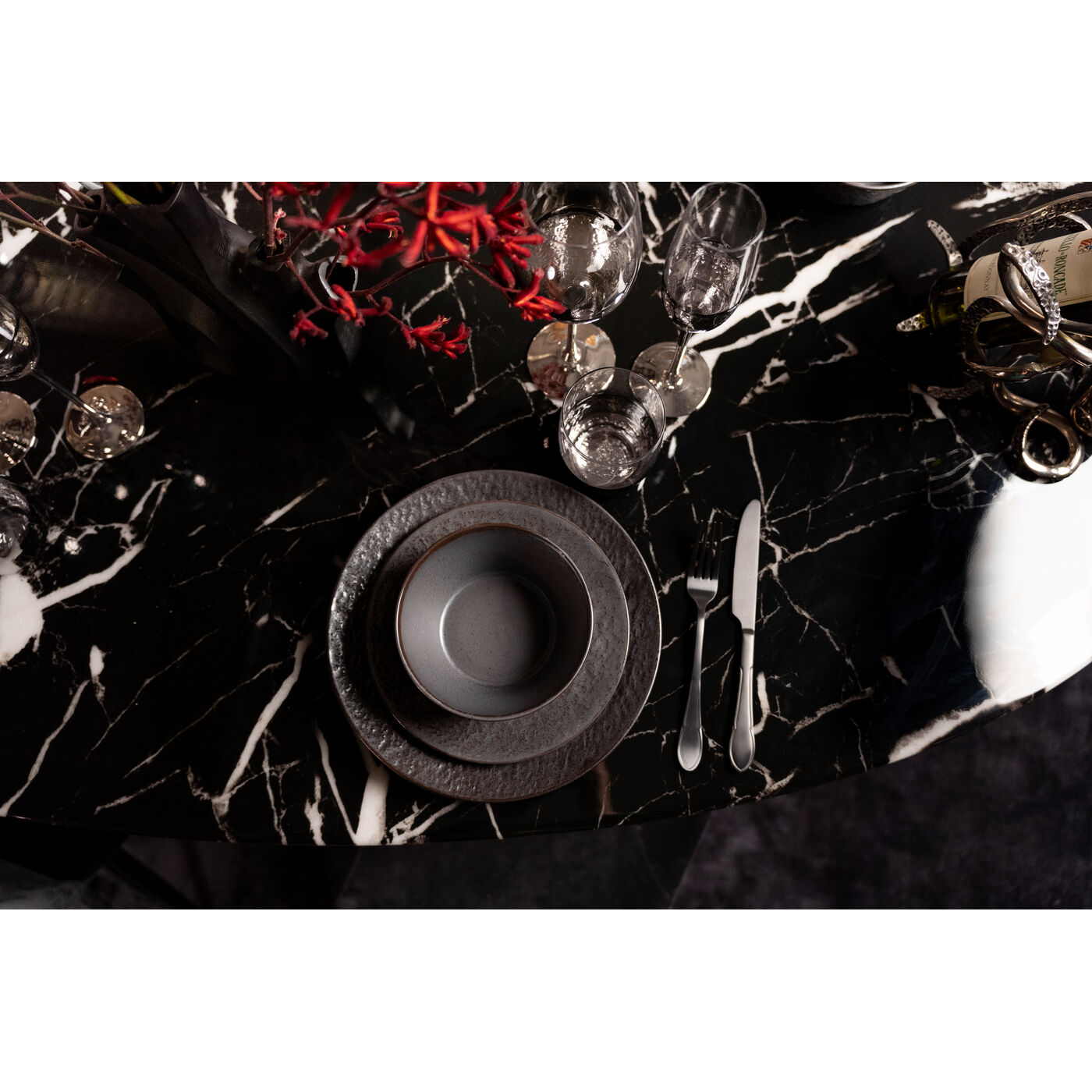
WHAT ARE SOME OF THE CHARACTERISTIC ACCESSORIES FOR THE MID-CENTURY STYLE?
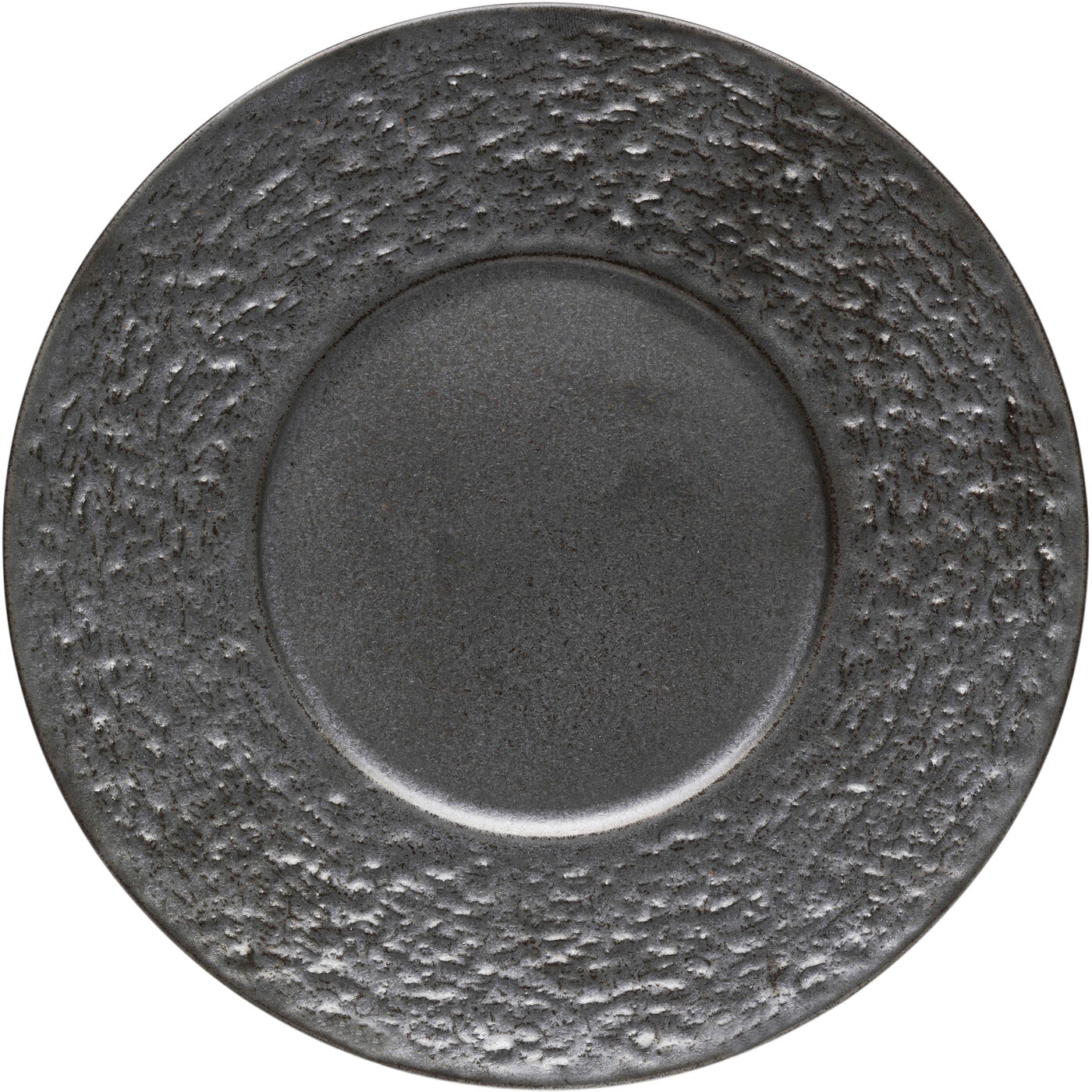
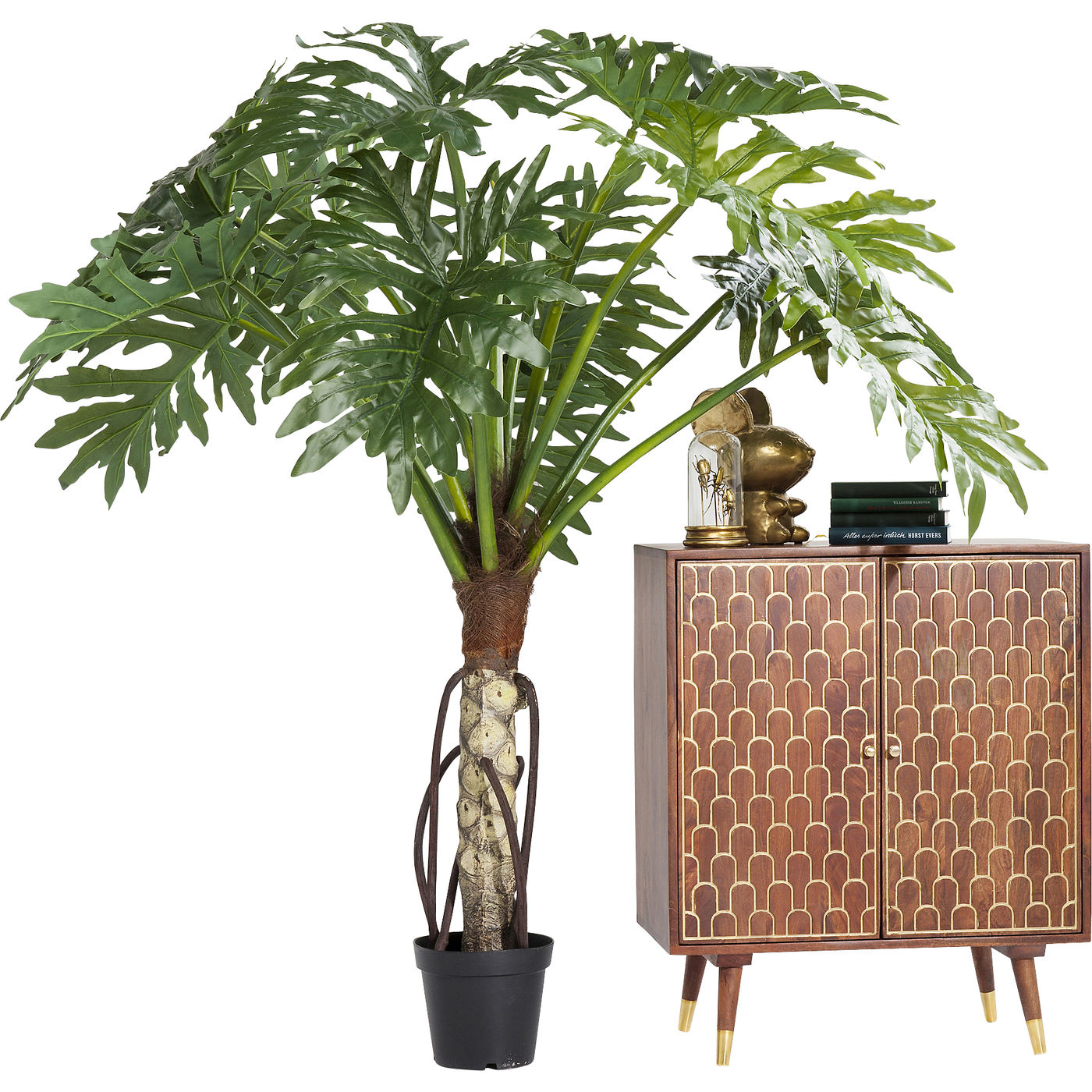
- Characteristic accessories for the mid-century style include geometric rugs, abstract wall art, sculptural lamps and ceramic vases.
- These accessories give the room a personal touch and underline the timeless design concept of the mid-century style.




> 99 available
-12%
IN STOCK: >10



YOUR TIP FOR A QUICK REDESIGN IN THE LIVING ROOM?
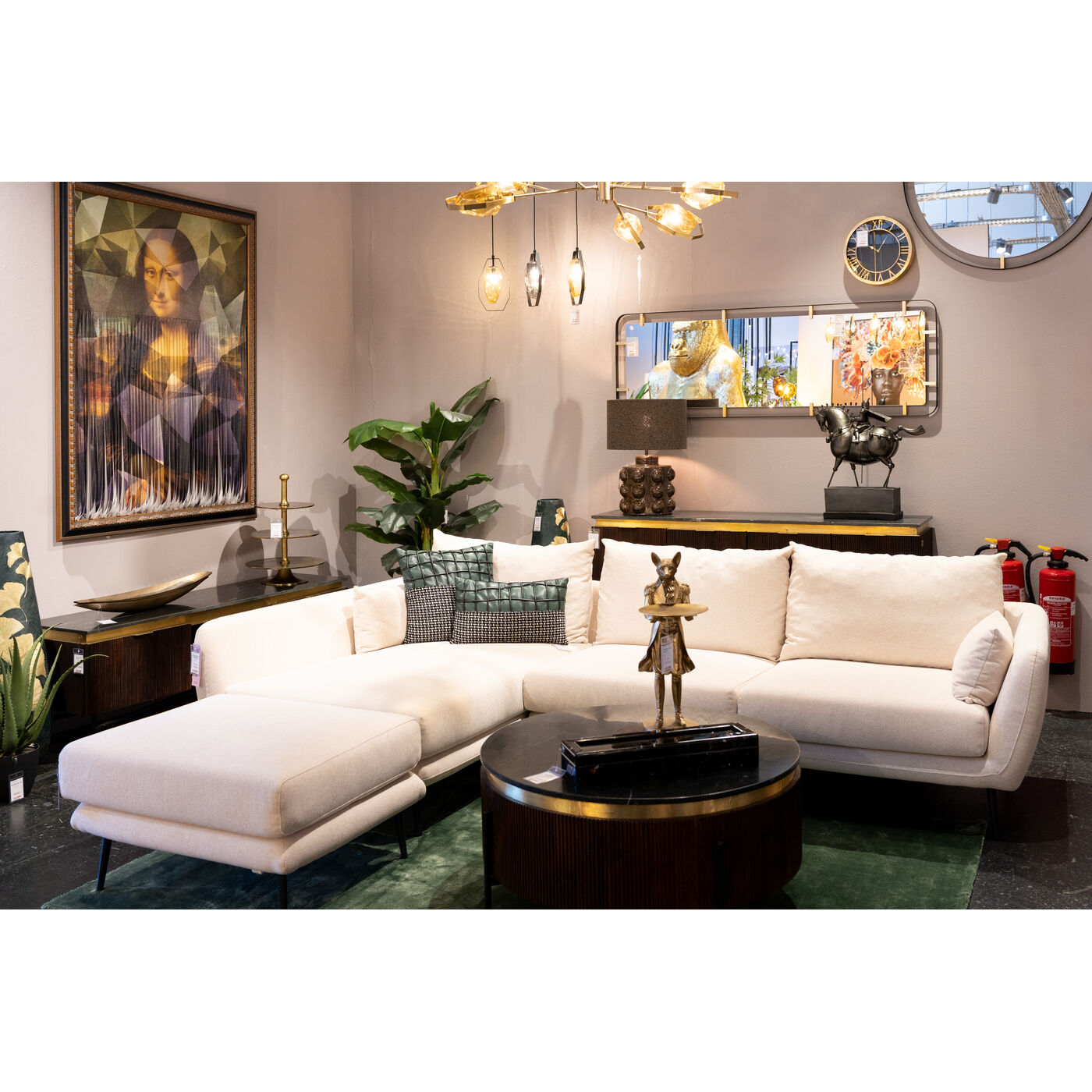
“You can achieve a lot with just a few resources: new cushions, creating a picture wall or painting a wall in color can all change the ambience.”

Only 10 available
-18%


ALLES ZUM MID-CENTURY STIL
WHERE DOES THE MID-CENTURY STYLE COME FROM?
The mid-century modern furniture style, which became popular in the mid-20th century, particularly in the 1940s to the 1960s, has a fascinating history that is deeply rooted in the social and cultural upheavals of the time. Originally created in response to the war-torn era and the need for reorientation in an increasingly industrialized world, the Mid-Century furniture style reflected a desire for functionality, clarity and an optimistic view of the future.
Amid the post-war period and the economic miracle, people found themselves in an era in which the dream of a better, future-oriented world seemed within reach. Designers such as Charles and Ray Eames, Eero Saarinen and Arne Jacobsen brought a breath of fresh air to traditional design. They rejected ornamental superfluity and focused on clean lines, elegant forms and innovative materials such as plywood, glass and steel.
The mid-century style emphasizes open space, the connection between indoor and outdoor areas, and a minimalist aesthetic that is both warm and inviting. Light colors, natural materials, and functional furniture complement the airy, spacious atmosphere that made this style of living an epitome of modern living.
What makes this style so special is the understated elegance and the ease with which it radiates both calm and dynamism. It is a type of design that not only impresses with its form, but also with its philosophy: living should inspire and uplift the spirit while meeting the practical needs of life.
The mid-century modern style lives on today and is often combined with contemporary elements in modern apartments and houses. It reminds us that good design is timeless – a balance of functionality, beauty and innovation that continues to be a source of inspiration today. In a world that is constantly changing, mid-century furniture style offers a constant: a vision of a simple yet sophisticated way of life that looks to the future with courage and optimism.
Amid the post-war period and the economic miracle, people found themselves in an era in which the dream of a better, future-oriented world seemed within reach. Designers such as Charles and Ray Eames, Eero Saarinen and Arne Jacobsen brought a breath of fresh air to traditional design. They rejected ornamental superfluity and focused on clean lines, elegant forms and innovative materials such as plywood, glass and steel.
The mid-century style emphasizes open space, the connection between indoor and outdoor areas, and a minimalist aesthetic that is both warm and inviting. Light colors, natural materials, and functional furniture complement the airy, spacious atmosphere that made this style of living an epitome of modern living.
What makes this style so special is the understated elegance and the ease with which it radiates both calm and dynamism. It is a type of design that not only impresses with its form, but also with its philosophy: living should inspire and uplift the spirit while meeting the practical needs of life.
The mid-century modern style lives on today and is often combined with contemporary elements in modern apartments and houses. It reminds us that good design is timeless – a balance of functionality, beauty and innovation that continues to be a source of inspiration today. In a world that is constantly changing, mid-century furniture style offers a constant: a vision of a simple yet sophisticated way of life that looks to the future with courage and optimism.
WHAT ARE THE CHARACTERISTICS OF THE MID-CENTURY STYLE?
The Mid-Century Modern style pays homage to the creative vision of a time that entered a new era of design and modernity after the Second World War. It stands for a harmonious combination of functionality and beauty, an aesthetic that celebrates simplicity yet possesses a very special sophistication. The characteristics of this style are clear and striking, and they convey an atmosphere of lightness and openness – an invitation to look at life with a new perspective.
Clean lines and geometric shapes are at the heart of mid-century furniture design. Furniture and accessories impress with their simple elegance, without appearing cluttered. It is a style characterized by a balanced mix of straight and gently rounded shapes, creating an atmosphere of calm. This clarity of design reflects the desire for structure and order that was strongly represented in society after the war years.
Another central feature is the natural materials that ground the room and give it warmth. Wood in its various facets – often in dark tones such as walnut or oak – plays a key role. It combines perfectly with innovative materials such as glass, steel and plastic, which make the design not only functional but also modern and forward-looking. These material combinations exude a timeless elegance and reflect the urge for innovation and progress.
The mid-century furniture and decoration style loves open spaces. Apartments and houses were designed so that the rooms flow into each other and there are no fixed boundaries between the different areas. Large windows and the interplay between indoor and outdoor spaces convey a sense of freedom and space. It's about experiencing the room and integrating nature, whether it's through a terrace or an unobstructed view of the garden.
In terms of color, the mid-century style is guided by a harmonious palette: soft earth tones and neutral colors dominate, complemented by vibrant accent colors such as yellow, turquoise or orange. These splashes of color add vibrant accents without being overpowering, helping to make the rooms lively and inviting. The interplay of natural wood textures and bold, modern colors creates an atmosphere of warmth and dynamism.
The functional pieces of furniture are not only aesthetically pleasing, but also well thought out and comfortable. Iconic design classics such as the Eames Lounge Chair or the Tulip Table by Eero Saarinen are prime examples of the fusion of form and function. Furniture is not only seen as an object of use, but also as an expression of personality – it should enrich the room without dominating it.
This style of living thrives on simplicity and practicality. It's not about accumulating things, but rather getting the most out of every room through a reduced, well-thought-out selection. The mid-century style is a celebration of living in the moment – it invites you to enjoy the things that really matter and to do what gives you pleasure.
In its purest form, the mid-century modern style embodies a vision of a future characterized by optimism and innovation. A style that continues to excite and inspire us today to create a world that is functional, aesthetic and imbued with timeless beauty.
Clean lines and geometric shapes are at the heart of mid-century furniture design. Furniture and accessories impress with their simple elegance, without appearing cluttered. It is a style characterized by a balanced mix of straight and gently rounded shapes, creating an atmosphere of calm. This clarity of design reflects the desire for structure and order that was strongly represented in society after the war years.
Another central feature is the natural materials that ground the room and give it warmth. Wood in its various facets – often in dark tones such as walnut or oak – plays a key role. It combines perfectly with innovative materials such as glass, steel and plastic, which make the design not only functional but also modern and forward-looking. These material combinations exude a timeless elegance and reflect the urge for innovation and progress.
The mid-century furniture and decoration style loves open spaces. Apartments and houses were designed so that the rooms flow into each other and there are no fixed boundaries between the different areas. Large windows and the interplay between indoor and outdoor spaces convey a sense of freedom and space. It's about experiencing the room and integrating nature, whether it's through a terrace or an unobstructed view of the garden.
In terms of color, the mid-century style is guided by a harmonious palette: soft earth tones and neutral colors dominate, complemented by vibrant accent colors such as yellow, turquoise or orange. These splashes of color add vibrant accents without being overpowering, helping to make the rooms lively and inviting. The interplay of natural wood textures and bold, modern colors creates an atmosphere of warmth and dynamism.
The functional pieces of furniture are not only aesthetically pleasing, but also well thought out and comfortable. Iconic design classics such as the Eames Lounge Chair or the Tulip Table by Eero Saarinen are prime examples of the fusion of form and function. Furniture is not only seen as an object of use, but also as an expression of personality – it should enrich the room without dominating it.
This style of living thrives on simplicity and practicality. It's not about accumulating things, but rather getting the most out of every room through a reduced, well-thought-out selection. The mid-century style is a celebration of living in the moment – it invites you to enjoy the things that really matter and to do what gives you pleasure.
In its purest form, the mid-century modern style embodies a vision of a future characterized by optimism and innovation. A style that continues to excite and inspire us today to create a world that is functional, aesthetic and imbued with timeless beauty.
WHAT MATERIALS ARE CHARACTERISTIC OF THE MID-CENTURY STYLE?
The mid-century modern style is a masterful symbiosis of innovation and nature, and its signature materials reflect this creative spirit. In an era that was emerging from the shadows of World War II and striving for modern progress, materials were chosen deliberately, not only for functional reasons but also to create an aesthetic and emotional connection. The materials that shaped the mid-century modern style tell a story of innovation, a connection to nature, and a distinctive sense of elegance.
Wood is at the heart of mid-century furniture design. It symbolizes both a return to nature and a desire for warmth and texture in modern spaces. Dark woods such as walnut and oak are particularly popular because they have a natural, noble beauty. They can be found in furniture, wall paneling, and even flooring, adding depth to the space and an almost soothing atmosphere. The wood is often left in its natural grain, allowing its naturalness and texture to take center stage, giving the room a subtle yet powerful elegance.
Alongside wood, we find metal, especially in the form of steel, aluminum and brass. These materials were prized not only for their functional strength and durability, but also because they embodied the modern, industrial aesthetic of the time. Steel frames under furniture, brass accents on lamps or table legs – all this gives the mid-century style its characteristic cool sophistication and attracts attention. The contrast between the warm wood and the cool metal creates an exciting balance that makes the room appear both inviting and futuristic.
Glass is another element that underscores the openness of the mid-century style. Large windows and transparent glass walls that capture natural light and allow you to see outside are typical of this era. Glass is also used in furniture such as tables or display cabinets, where it acts as a clear, shimmering counterpoint to the earthy materials. It allows rooms to breathe, creating a sense of lightness and promoting a feeling of space and freedom.
The use of plastic and laminate is also characteristic of the mid-century style, especially in furniture and accessories. In the 1950s and 1960s, these new, versatile materials revolutionized design. They allowed for creative forms and greater functionality. Chairs and tables made of molded plastic or Formica laminate were not only modern and affordable, but also lightweight and durable. These materials allowed for a playful lightness and opened up new creative freedom for designers.
Mid-century textiles are another highlight. From wool fabrics to linen and cotton, the fabrics are usually of high quality and used in clear, bold colors or stylized patterns. Often combined with wood and metal, they provide the finishing touch to make the furniture both comfortable and visually appealing. Geometric patterns, abstract designs or stylized floral motifs add a dynamic energy to the rooms and emphasize the modern attitude of this era.
The materials of the mid-century living style are more than just functional elements – they are an expression of an attitude, a philosophy that values form and function equally. They create spaces that are both calming and inspiring, striking the perfect balance between the natural and the modern. These materials represent a time of change and renewal, and continue to bring a timeless beauty and vibrancy to homes today. They invite you to live in a world defined not just by practicality, but also by creativity and style.
Wood is at the heart of mid-century furniture design. It symbolizes both a return to nature and a desire for warmth and texture in modern spaces. Dark woods such as walnut and oak are particularly popular because they have a natural, noble beauty. They can be found in furniture, wall paneling, and even flooring, adding depth to the space and an almost soothing atmosphere. The wood is often left in its natural grain, allowing its naturalness and texture to take center stage, giving the room a subtle yet powerful elegance.
Alongside wood, we find metal, especially in the form of steel, aluminum and brass. These materials were prized not only for their functional strength and durability, but also because they embodied the modern, industrial aesthetic of the time. Steel frames under furniture, brass accents on lamps or table legs – all this gives the mid-century style its characteristic cool sophistication and attracts attention. The contrast between the warm wood and the cool metal creates an exciting balance that makes the room appear both inviting and futuristic.
Glass is another element that underscores the openness of the mid-century style. Large windows and transparent glass walls that capture natural light and allow you to see outside are typical of this era. Glass is also used in furniture such as tables or display cabinets, where it acts as a clear, shimmering counterpoint to the earthy materials. It allows rooms to breathe, creating a sense of lightness and promoting a feeling of space and freedom.
The use of plastic and laminate is also characteristic of the mid-century style, especially in furniture and accessories. In the 1950s and 1960s, these new, versatile materials revolutionized design. They allowed for creative forms and greater functionality. Chairs and tables made of molded plastic or Formica laminate were not only modern and affordable, but also lightweight and durable. These materials allowed for a playful lightness and opened up new creative freedom for designers.
Mid-century textiles are another highlight. From wool fabrics to linen and cotton, the fabrics are usually of high quality and used in clear, bold colors or stylized patterns. Often combined with wood and metal, they provide the finishing touch to make the furniture both comfortable and visually appealing. Geometric patterns, abstract designs or stylized floral motifs add a dynamic energy to the rooms and emphasize the modern attitude of this era.
The materials of the mid-century living style are more than just functional elements – they are an expression of an attitude, a philosophy that values form and function equally. They create spaces that are both calming and inspiring, striking the perfect balance between the natural and the modern. These materials represent a time of change and renewal, and continue to bring a timeless beauty and vibrancy to homes today. They invite you to live in a world defined not just by practicality, but also by creativity and style.
WHAT ARE THE CHARACTERISTIC COLORS OF THE MID-CENTURY LIVING STYLE?
The color palette of the mid-century modern style is a harmonious interplay of natural tones and vibrant accents that creates an atmosphere of elegance and optimism. From the 1940s to the 1960s, when this style was at its peak, the world was characterized by innovation and new beginnings – and this was also reflected in the colors used in homes. The colors of mid-century design are not only aesthetically pleasing, but also express a modern, positive attitude towards life.
Earth tones and neutral colors form the basis of the mid-century style. Warm, natural tones such as brown, beige, caramel and ochre give rooms a cozy, earthy atmosphere. These colors are reminiscent of wood and natural materials, which play a central role in the design. They create a calming base and allow the clean lines of the furniture and modern accents to come into their own. These neutral tones bring a sense of calm and stability to the room without overwhelming it.
Light, soft tones such as white and cream are also very characteristic. They give the rooms an airy, spacious effect and emphasize the open, minimalist design. White reflects light and makes the room appear larger and brighter – a crucial aspect of mid-century style, which is meant to be open and inviting.
Accent colors are another prominent feature of mid-century design. This is where vibrant, bold colors such as turquoise, yellow, orange, avocado green and red come into play. These colors are skillfully used to create visual highlights and fill the room with energy without disturbing the simple elegance of the design. Accent colors often appear in furniture, artwork, pillows or rugs and provide an exciting contrast to the calmer base tones.
Turquoise and aquamarine in particular are iconic colors of the mid-century style, reflecting the fresh, optimistic spirit of the era. These cool yet vibrant shades add a modern, almost futuristic touch to rooms. Avocado green and mustard yellow are other colors that enhance the vintage character of this style and are often used in combination with natural materials such as wood and leather.
Black and gray accents can also be part of a mid-century room. These neutral, powerful colors help to structure the room and complete the modern look. They provide an elegant contrast to the vibrant colors and bring a certain sharpness to the design without cluttering it.
The colors of the mid-century style are not just decorative elements, but contribute significantly to the mood and atmosphere of the room. They combine the desire for clarity and simplicity with a cheerful, optimistic attitude towards life. It is a game between the calming effect of soft tones and the invigorating power of more vibrant colors – a balance that makes mid-century living timeless and inspiring. In these rooms, life feels easy and there always seems to be room for something new, fresh and beautiful.
Earth tones and neutral colors form the basis of the mid-century style. Warm, natural tones such as brown, beige, caramel and ochre give rooms a cozy, earthy atmosphere. These colors are reminiscent of wood and natural materials, which play a central role in the design. They create a calming base and allow the clean lines of the furniture and modern accents to come into their own. These neutral tones bring a sense of calm and stability to the room without overwhelming it.
Light, soft tones such as white and cream are also very characteristic. They give the rooms an airy, spacious effect and emphasize the open, minimalist design. White reflects light and makes the room appear larger and brighter – a crucial aspect of mid-century style, which is meant to be open and inviting.
Accent colors are another prominent feature of mid-century design. This is where vibrant, bold colors such as turquoise, yellow, orange, avocado green and red come into play. These colors are skillfully used to create visual highlights and fill the room with energy without disturbing the simple elegance of the design. Accent colors often appear in furniture, artwork, pillows or rugs and provide an exciting contrast to the calmer base tones.
Turquoise and aquamarine in particular are iconic colors of the mid-century style, reflecting the fresh, optimistic spirit of the era. These cool yet vibrant shades add a modern, almost futuristic touch to rooms. Avocado green and mustard yellow are other colors that enhance the vintage character of this style and are often used in combination with natural materials such as wood and leather.
Black and gray accents can also be part of a mid-century room. These neutral, powerful colors help to structure the room and complete the modern look. They provide an elegant contrast to the vibrant colors and bring a certain sharpness to the design without cluttering it.
The colors of the mid-century style are not just decorative elements, but contribute significantly to the mood and atmosphere of the room. They combine the desire for clarity and simplicity with a cheerful, optimistic attitude towards life. It is a game between the calming effect of soft tones and the invigorating power of more vibrant colors – a balance that makes mid-century living timeless and inspiring. In these rooms, life feels easy and there always seems to be room for something new, fresh and beautiful.
HOW CAN I COMBINE THE MID-CENTURY MODERN STYLE?
The Mid-Century Modern style of living is characterized by a perfect balance between elegance, functionality and a fresh, innovative aesthetic. If you want to combine this style in your home, you have the opportunity to harmoniously combine different elements to create a unique space that looks both timeless and modern. Here are some inspiring ideas on how you can cleverly combine the mid-century modern style with other styles and elements:
1. Mid-century modern with minimalism
Since the mid-century style is characterized by clean lines, open spaces and functional furniture, it combines perfectly with the minimalist style. The focus is on a few well-chosen pieces of furniture that are both beautiful and practical. Less is more – this applies to the selection of furniture and accessories. You can furnish your rooms with clear, geometric pieces of furniture in a mid-century style and design them in a minimalist way with neutral colors and a subtle, modern touch.
Combination tips:
Choose furniture with simple, elegant lines and combine it with white walls and a few decorative elements.
Make sure that the furniture and accessories don't look cluttered – each item has a clear purpose and its own space.
2. Mid-century modern meets Scandinavian style
The Scandinavian style, which also places a high value on functionality and simplicity, can be wonderfully combined with mid-century modern design. Both styles love natural materials and minimalist design. The result is a harmonious interplay that looks both cozy and modern at the same time. Wood, light-colored leather and simple yet stylish pieces of furniture create a warm, inviting atmosphere.
Combination tips:
Opt for light woods such as oak or pine and combine them with the characteristic mid-century furniture made of darker woods.
Add Scandinavian details such as soft knitted blankets, simple rugs and subtle artwork to make the room even more cozy.
3. Mid-century modern and industrial style
The industrial style is characterized by exposed surfaces, metal and raw charm – perfect partners for the modern, elegant look of mid-century design. Combining the two styles creates an exciting contrast between rough, industrial materials and the refined functionality of mid-century furniture. The industrial look can be complemented with metal accents and rugged materials like steel and cement, while the mid-century style softens the room with clean shapes and warm wood and leather textures.
Combination tips:
Combine minimalist mid-century furniture with a few industrial accessories such as metal shelves, exposed lights and chairs with metal legs.
Use brick or concrete walls and emphasize them with clean, functional pieces of furniture that enhance the room.
4. Mid-century modern with boho chic
The boho chic style brings a vibrant, playful atmosphere to the room, which contrasts wonderfully with the clear, but often reserved charm of the mid-century modern style. Boho brings colors, textures, and patterns into play, while mid-century tends to favor neutral tones and clean lines. This blend of contrasts can create an interesting, warm space that feels both modern and inviting.
Combination tips:
Use mid-century modern furniture as a foundation, then add boho elements like colorful pillows, plush rugs, and handmade accessories.
Decorate with natural materials like rattan, macramé, or handmade vases to create a cozy, creative atmosphere.
5. Mid-century modern with a contemporary style
Contemporary style is modern and elegant and can be seamlessly combined with mid-century design. Both styles favor clean lines and a minimalist aesthetic, but contemporary style has a stronger focus on the latest trends and technologies. Combining these two styles will make your home look modern and timeless at the same time.
Combination tips:
Use furniture with clean lines, but also add futuristic accents such as sleek, metallic side tables or unusual lighting.
Choose minimalist furniture in a mid-century style and combine it with contemporary art or modern accessories to give the room a fresh, up-to-date look.
6. Mid-century modern with Art Deco
The opulent elegance of Art Deco style pairs beautifully with the simple sophistication of mid-century design. Art Deco features luxurious materials, geometric patterns, and a sense of drama, which creates an interesting tension with the functional and simplistic forms of mid-century style. This blend conveys a modern elegance that is both stylish and sophisticated.
Combination tips:
Add Art Deco patterns to rugs or wallpaper while choosing Mid-Century furniture made of wood and metal.
Accent the room with gold or shiny accessories such as mirrors, lamps or vases to create an elegant atmosphere.
Conclusion:
Combining mid-century modern style with other design directions makes it possible to bring together the best of different worlds. The key to a successful combination lies in balance – between clean lines and soft textures, between modern and classic elements. The mid-century style is incredibly versatile and can be integrated into your home in numerous ways. By combining elements from different periods and styles, you can create a space that is both timeless and individual.
1. Mid-century modern with minimalism
Since the mid-century style is characterized by clean lines, open spaces and functional furniture, it combines perfectly with the minimalist style. The focus is on a few well-chosen pieces of furniture that are both beautiful and practical. Less is more – this applies to the selection of furniture and accessories. You can furnish your rooms with clear, geometric pieces of furniture in a mid-century style and design them in a minimalist way with neutral colors and a subtle, modern touch.
Combination tips:
Choose furniture with simple, elegant lines and combine it with white walls and a few decorative elements.
Make sure that the furniture and accessories don't look cluttered – each item has a clear purpose and its own space.
2. Mid-century modern meets Scandinavian style
The Scandinavian style, which also places a high value on functionality and simplicity, can be wonderfully combined with mid-century modern design. Both styles love natural materials and minimalist design. The result is a harmonious interplay that looks both cozy and modern at the same time. Wood, light-colored leather and simple yet stylish pieces of furniture create a warm, inviting atmosphere.
Combination tips:
Opt for light woods such as oak or pine and combine them with the characteristic mid-century furniture made of darker woods.
Add Scandinavian details such as soft knitted blankets, simple rugs and subtle artwork to make the room even more cozy.
3. Mid-century modern and industrial style
The industrial style is characterized by exposed surfaces, metal and raw charm – perfect partners for the modern, elegant look of mid-century design. Combining the two styles creates an exciting contrast between rough, industrial materials and the refined functionality of mid-century furniture. The industrial look can be complemented with metal accents and rugged materials like steel and cement, while the mid-century style softens the room with clean shapes and warm wood and leather textures.
Combination tips:
Combine minimalist mid-century furniture with a few industrial accessories such as metal shelves, exposed lights and chairs with metal legs.
Use brick or concrete walls and emphasize them with clean, functional pieces of furniture that enhance the room.
4. Mid-century modern with boho chic
The boho chic style brings a vibrant, playful atmosphere to the room, which contrasts wonderfully with the clear, but often reserved charm of the mid-century modern style. Boho brings colors, textures, and patterns into play, while mid-century tends to favor neutral tones and clean lines. This blend of contrasts can create an interesting, warm space that feels both modern and inviting.
Combination tips:
Use mid-century modern furniture as a foundation, then add boho elements like colorful pillows, plush rugs, and handmade accessories.
Decorate with natural materials like rattan, macramé, or handmade vases to create a cozy, creative atmosphere.
5. Mid-century modern with a contemporary style
Contemporary style is modern and elegant and can be seamlessly combined with mid-century design. Both styles favor clean lines and a minimalist aesthetic, but contemporary style has a stronger focus on the latest trends and technologies. Combining these two styles will make your home look modern and timeless at the same time.
Combination tips:
Use furniture with clean lines, but also add futuristic accents such as sleek, metallic side tables or unusual lighting.
Choose minimalist furniture in a mid-century style and combine it with contemporary art or modern accessories to give the room a fresh, up-to-date look.
6. Mid-century modern with Art Deco
The opulent elegance of Art Deco style pairs beautifully with the simple sophistication of mid-century design. Art Deco features luxurious materials, geometric patterns, and a sense of drama, which creates an interesting tension with the functional and simplistic forms of mid-century style. This blend conveys a modern elegance that is both stylish and sophisticated.
Combination tips:
Add Art Deco patterns to rugs or wallpaper while choosing Mid-Century furniture made of wood and metal.
Accent the room with gold or shiny accessories such as mirrors, lamps or vases to create an elegant atmosphere.
Conclusion:
Combining mid-century modern style with other design directions makes it possible to bring together the best of different worlds. The key to a successful combination lies in balance – between clean lines and soft textures, between modern and classic elements. The mid-century style is incredibly versatile and can be integrated into your home in numerous ways. By combining elements from different periods and styles, you can create a space that is both timeless and individual.


Only 1 available
-18%


Only 10 available
-18%


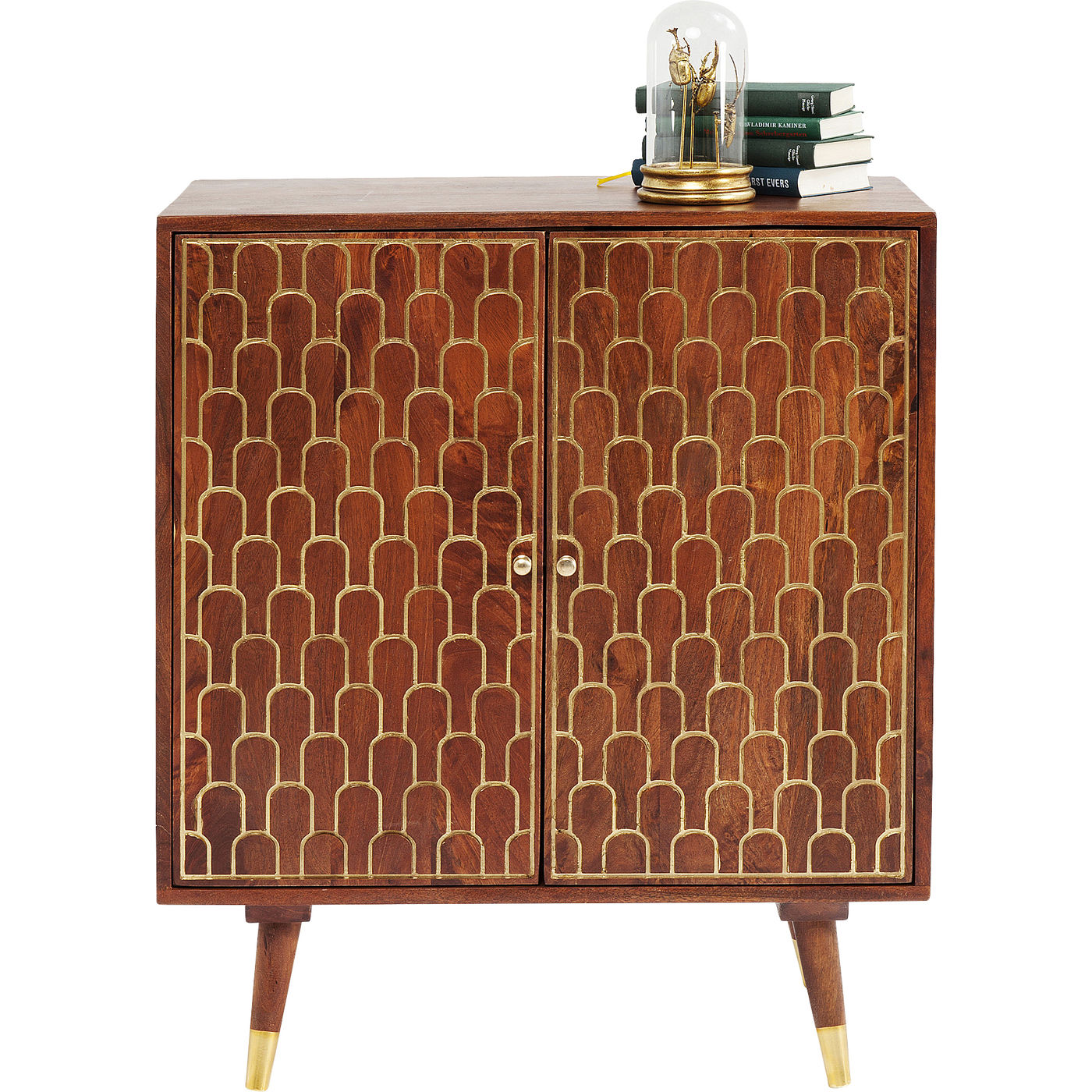


Only 10 available
-18%
> 99 available
-12%
IN STOCK: >10
> 99 available
-20%
IN STOCK: 1